Unpacking Reward Pathways in Digital Table Interactions via Platform Evaluation Feedback Loops
Alex Simmons · Jun 8, 2026
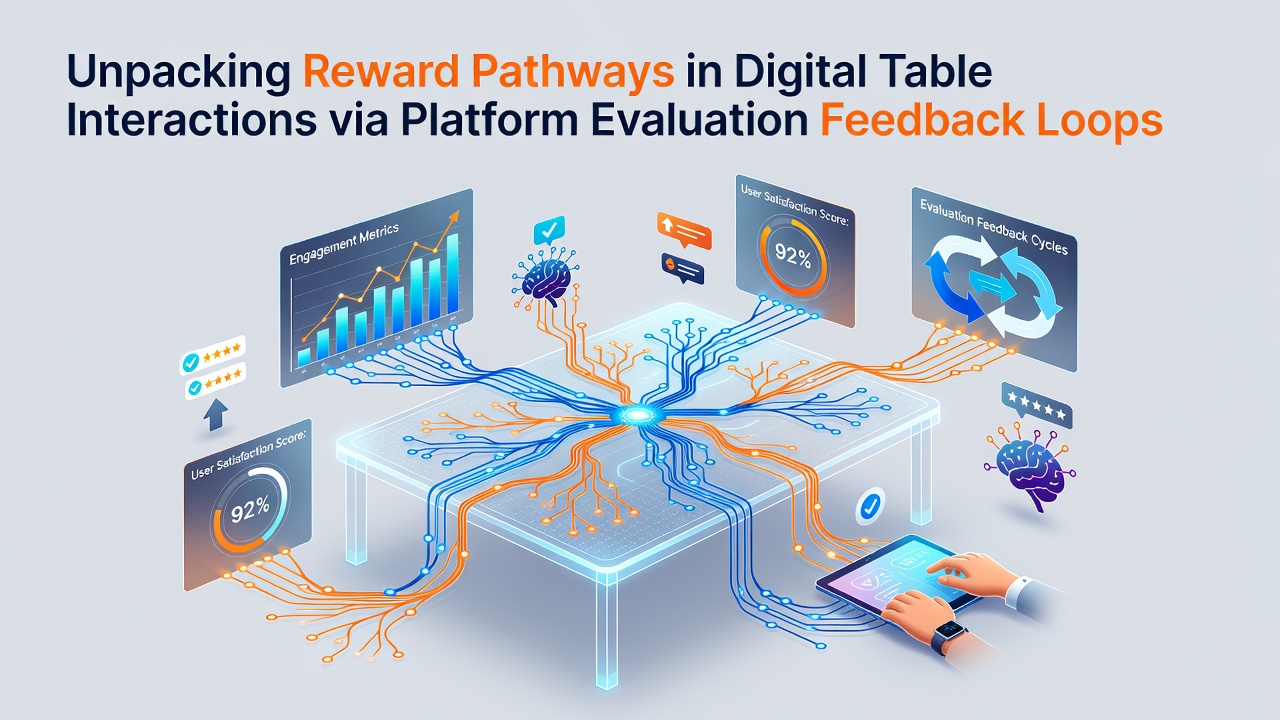
Unpacking Reward Pathways in Digital Table Interactions via Platform Evaluation Feedback Loops
Digital platforms that incorporate table-based interfaces activate specific neural reward pathways when users receive structured evaluations through feedback loops, and researchers have documented these processes across multiple studies conducted through mid-2026. Neuroscientific investigations reveal that dopamine release occurs during interactions with digital tables when platform algorithms deliver timely assessments of user inputs, creating cycles that reinforce continued engagement.
Neural Mechanisms Behind Digital Rewards
The brain's mesolimbic pathway responds to positive reinforcement signals generated by platform evaluation systems, and data from functional MRI scans indicate heightened activity in the nucleus accumbens during table interaction sessions. Studies published in 2025 demonstrate that sequential feedback on collaborative table tasks strengthens synaptic connections associated with habit formation, while platform metrics track these patterns through user retention statistics.
Platform designers integrate evaluation points at regular intervals within digital table environments, and this structure allows users to experience incremental achievements that align with established reward processing models. Research indicates that variable ratio schedules in feedback delivery produce more persistent interaction patterns compared to fixed schedules, a finding supported by behavioral analyses from academic institutions in Canada and Australia.
Table Interaction Dynamics in Platform Environments
Digital tables function as structured workspaces where multiple users manipulate data cells, share annotations, and adjust parameters in real time, and these actions trigger evaluation mechanisms embedded in the platform architecture. Observers note that interactions involving shared table elements generate distinct feedback signatures when compared to solitary document editing, because multi-user contributions create additional layers of peer and algorithmic assessment.
June 2026 reports from industry monitoring groups highlight increased adoption of table-centric collaboration tools across enterprise sectors, with usage metrics showing average session durations extending by 18 percent in platforms that emphasize continuous evaluation loops. These environments process user actions through scoring algorithms that adjust visibility of progress indicators, thereby modulating the intensity of reward signals delivered to participants.
Feedback Loop Architecture and Evaluation Systems
Platform evaluation feedback loops operate through iterative cycles of input collection, performance calculation, and output presentation, and each cycle completion corresponds to measurable shifts in user dopamine activity according to psychophysiological monitoring. Engineers implement these loops by embedding sensors that capture keystroke patterns, decision timestamps, and collaboration frequency within table interfaces.
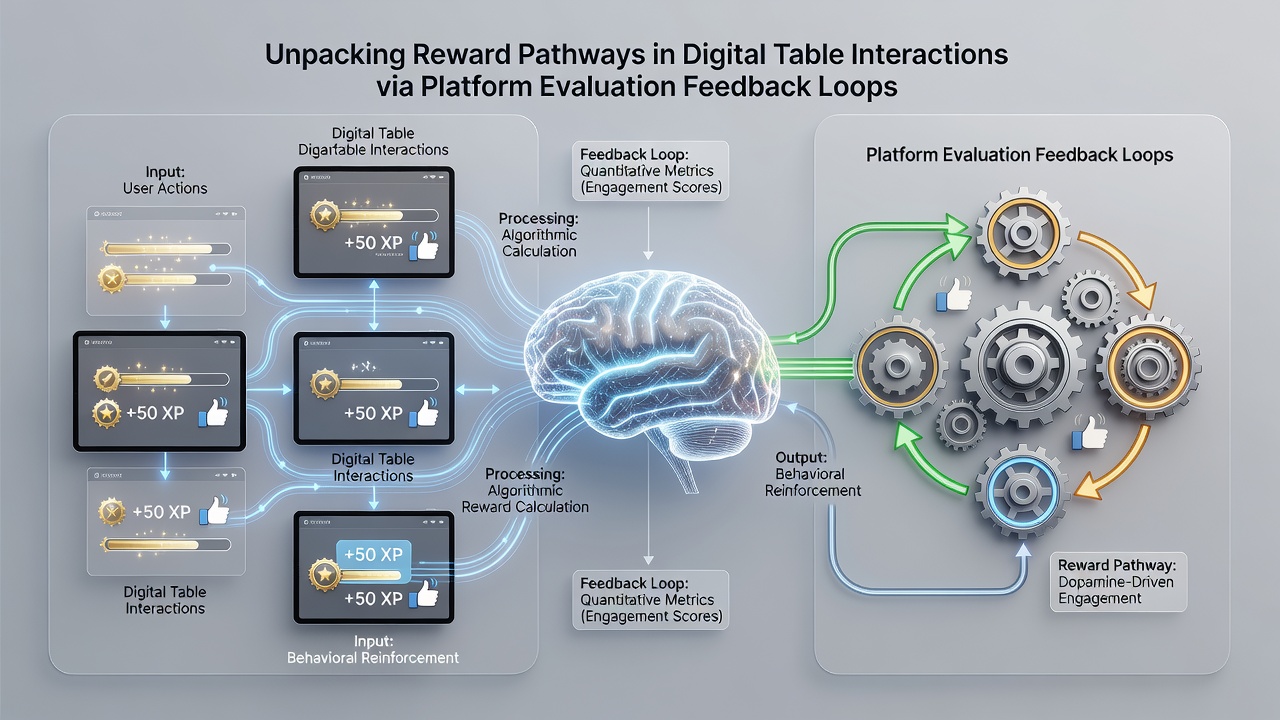
According to findings from the European Research Council, platforms that calibrate feedback frequency to individual user baselines achieve higher consistency in engagement metrics, because personalized evaluation timing prevents habituation to reward signals. The architecture typically includes threshold triggers that escalate feedback detail when users reach specific interaction milestones within the digital table.
Integration of Evaluation Metrics Across Platforms
Evaluation systems aggregate quantitative measures such as completion rates, accuracy scores, and contribution balance, then translate these into visual or textual feedback displayed directly on the table interface. Data from the Australian Institute of Health and Welfare indicates that structured feedback presentation correlates with sustained platform usage across demographic groups tracked through 2026.
Developers adjust loop parameters based on aggregated performance data, and this refinement process allows platforms to maintain effective reward pathway activation while adapting to evolving user behaviors. One documented implementation involves dynamic weighting of peer evaluations versus algorithmic scores, which research shows influences the perceived value of each feedback instance.
Conclusion
Platform evaluation feedback loops continue to shape reward pathway activation in digital table interactions through precisely timed assessments and adaptive metrics, with evidence from multiple regions confirming the operational patterns observed in 2026. Continued monitoring by regulatory and research bodies provides updated datasets that inform refinements to these systems across global deployments.