Tracing Transaction Trails to Unlock Tiered Rewards in Interactive Reel and Table Environments
Olivia Beck · May 20, 2026
Tracing Transaction Trails to Unlock Tiered Rewards in Interactive Reel and Table Environments
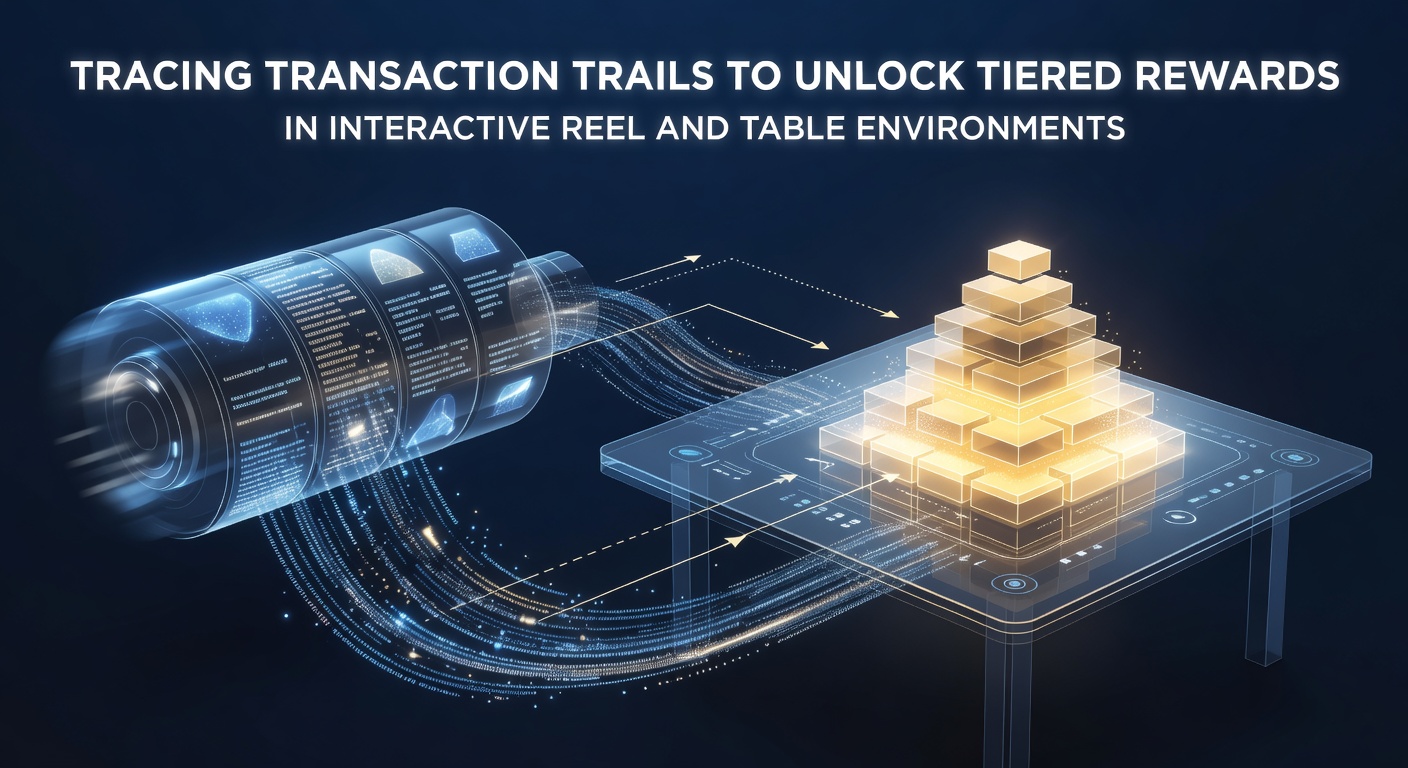
Transaction trails form the backbone of modern loyalty systems in interactive gaming platforms where every deposit, wager, and cashout leaves a digital footprint that operators use to determine player eligibility for escalating reward tiers, and this process applies equally to reel-based slots and live table environments as data analytics platforms aggregate these records in real time to calculate lifetime value metrics and bonus unlocks.
How Transaction Trails Operate in Digital Gaming Systems
Operators record each financial interaction through secure ledgers that timestamp deposits and bets while linking them to individual accounts so that algorithms can evaluate patterns such as frequency of play and average bet size, and these evaluations feed directly into tier assignment protocols that unlock higher levels of cashback, free spins, or table comps without requiring manual intervention from support staff.
Data flows from payment processors into centralized customer relationship management tools where cross-referencing occurs against historical activity, and this integration allows platforms to distinguish between casual participants and high-volume users who qualify for platinum or diamond status based on cumulative transaction volume over defined periods.
Tiered Rewards Mechanics Across Game Types
Reward tiers typically progress through bronze, silver, gold, and elite categories where each level demands progressively higher transaction thresholds, and players advance by maintaining consistent deposit and wager activity that the system monitors continuously rather than through isolated events, which creates a cumulative advantage for those who engage regularly with both reel and table offerings.
Reel environments emphasize rapid transaction cycles because slots generate frequent small bets that accumulate quickly, whereas table games contribute through larger per-hand wagers that accelerate tier movement when participants favor blackjack or roulette variants with higher minimums, and operators adjust point multipliers accordingly to balance incentives across these distinct formats.
Application in Reel Environments
Interactive reels rely on automated tracking that captures every spin outcome alongside the underlying bet amounts so that reward engines can award tier progress based on total coin-in rather than win amounts alone, and this distinction matters because it encourages sustained play even during downswings while the system simultaneously flags unusual patterns for compliance review.
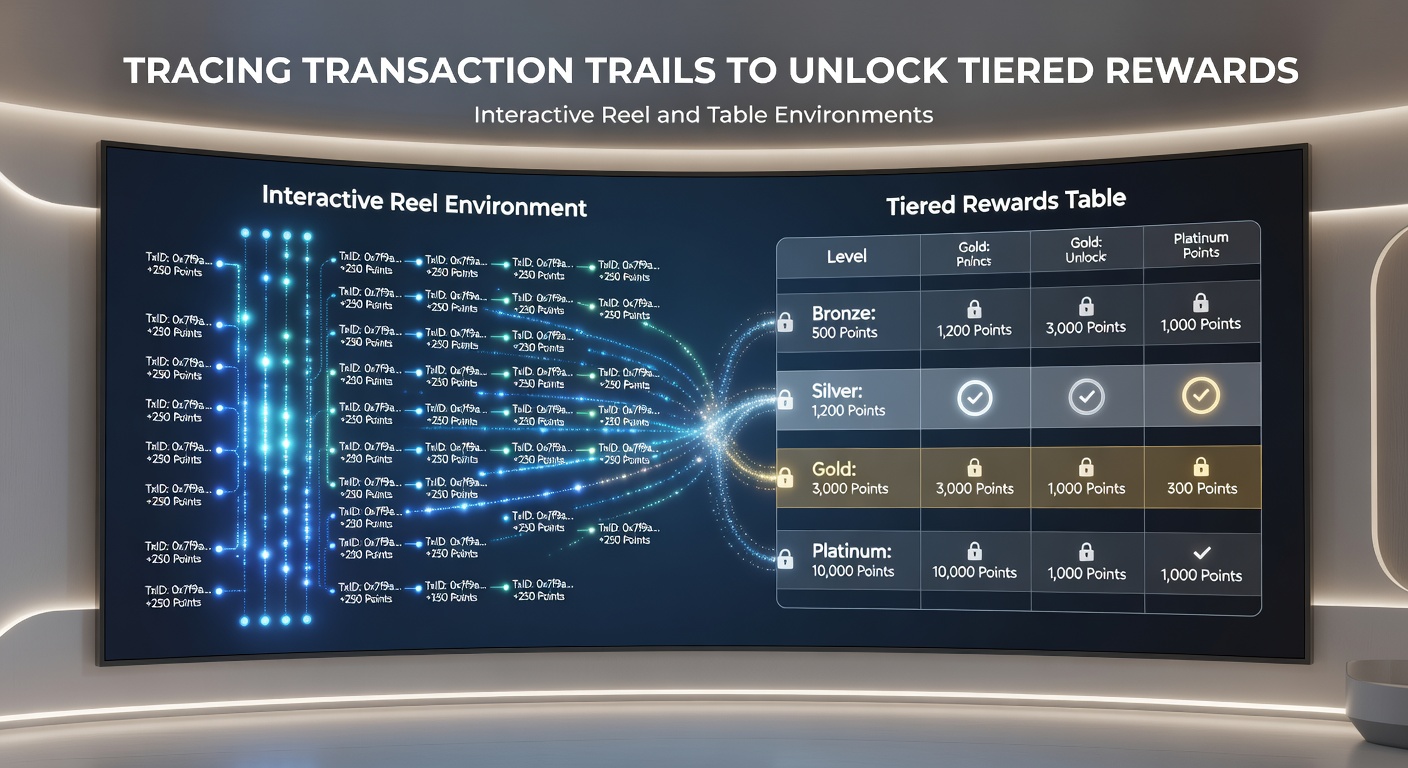
Platforms operating in May 2026 have introduced enhanced visualization tools that let players view their current trail status in-app, and these features display projected timelines for the next tier based on recent transaction velocity, which helps participants plan their engagement strategies across multiple reel titles without needing external spreadsheets or third-party trackers.
Table Game Environments and Trail Integration
Table environments present unique challenges because live dealer sessions involve variable bet sizes and session lengths that demand more granular logging than automated reels, yet modern platforms solve this through API connections between table management software and the central rewards database so that each chip purchase or marker settlement registers instantly toward tier calculations.
Studies from research institutions such as those affiliated with University of Nevada Reno demonstrate how transaction density in table games correlates with faster tier ascension when players combine consistent buy-ins with extended play durations, and operators apply these insights to design targeted promotions that reward table loyalty separately from reel activity.
Regulatory and Technological Context in Mid-2026
Regulatory frameworks in various jurisdictions require operators to maintain auditable transaction records that support both reward distribution and anti-money laundering obligations, and compliance teams review these trails periodically to ensure tier unlocks do not inadvertently facilitate prohibited activity while still delivering promised player benefits on schedule.
Technological advancements including blockchain verification layers have begun appearing in select platforms by May 2026, allowing immutable logging of every financial event so that disputes over tier qualification can be resolved through transparent chain-of-custody data rather than internal database queries alone, and this development reduces friction for players moving between reel and table environments on the same account.
Practical Examples of Trail-Based Tier Progression
One documented case involved a player whose consistent weekly deposits across multiple reel titles triggered automatic elevation to gold tier within six weeks, after which table game activity further accelerated progress toward platinum status through combined transaction volume, and the operator notified the account holder via in-platform messaging that detailed exactly which activities contributed to each milestone.
Industry reports compiled by groups such as the Australian Gambling Research Centre highlight similar patterns where tracked trails enable operators to deliver personalized tier benefits that increase retention rates across both game categories without relying on generic bonus structures.
Conclusion
Transaction trail analysis continues to evolve as the primary mechanism for fair and transparent tiered reward distribution in interactive reel and table settings, and platforms that maintain robust logging combined with player-accessible dashboards position themselves to meet both regulatory expectations and participant expectations through May 2026 and beyond, while the separation of reel and table contribution metrics ensures balanced incentive structures that accommodate diverse playing preferences.