Payment Processor Integrations Fueling Tiered Rewards in Worldwide Digital Gaming Ecosystems
Alex Simmons · Jul 15, 2026
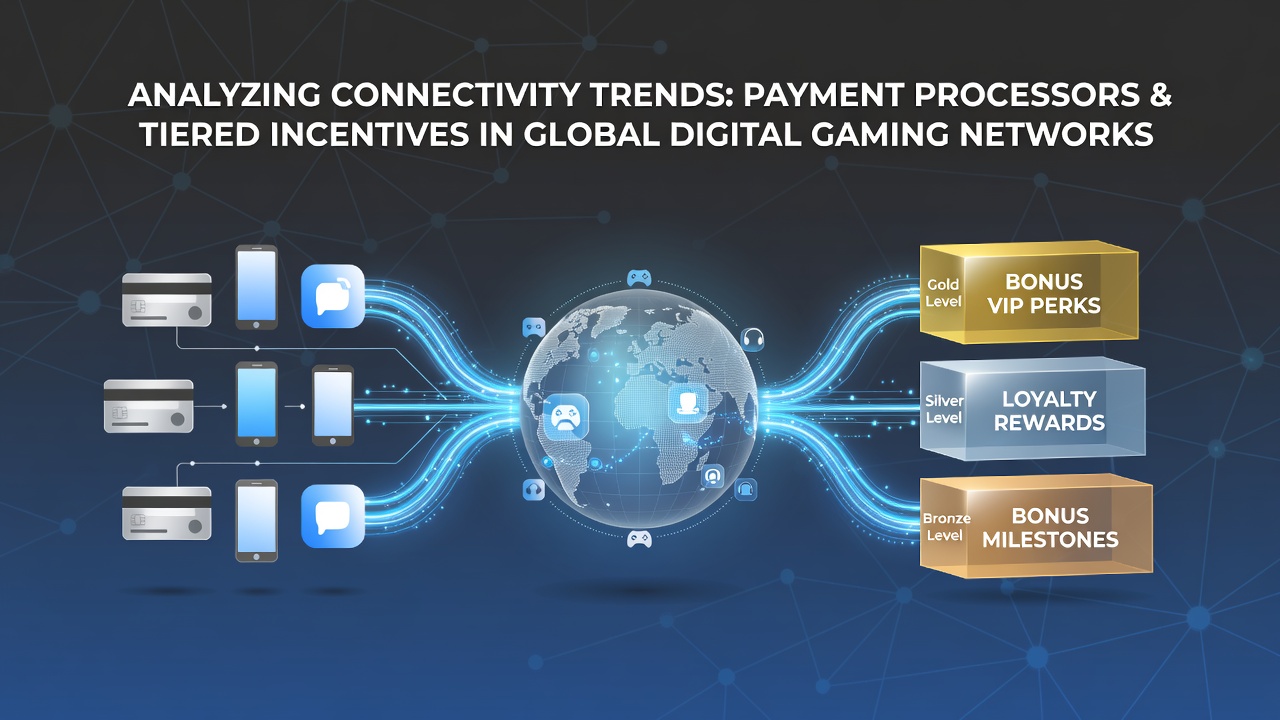
Payment Processor Integrations Fueling Tiered Rewards in Worldwide Digital Gaming Ecosystems
Digital gaming networks have seen payment processors establish deeper connections with tiered incentive structures throughout 2026, with transaction data now feeding directly into reward algorithms that adjust player benefits in real time. These systems track deposit frequency, volume, and method preferences to determine eligibility for escalating loyalty tiers across platforms that span multiple continents.
Core Mechanics of Processor and Incentive Linkages
Payment processors supply the raw transaction streams that gaming operators use to populate tiered programs, where players advance through levels based on cumulative activity rather than isolated deposits. In practice this means a single high-value transfer processed through an integrated gateway can trigger immediate tier elevation while also logging data points for future reward calibration. Observers note that such connectivity reduces manual oversight and lets algorithms handle progression across networks that serve users in Europe, North America, and Asia simultaneously.
Real-time APIs form the backbone of these connections, allowing processors to transmit not just payment confirmation but also metadata like currency type and processing speed. Gaming platforms then map this information onto tier thresholds, so faster or recurring transactions push users into higher benefit brackets that include bonus multipliers and exclusive game access. Research indicates this integration became more standardized after several major operators updated their backend systems in early 2026.
Regional Patterns Emerging in Mid-2026
European markets have shown pronounced growth in processor-incentive pairings since regulatory updates took effect in the first half of the year. Figures from the European Gaming and Betting Association reveal that cross-border platforms now route a larger share of deposits through gateways that automatically sync with loyalty databases, creating seamless tier movement for players who switch between sites. This setup supports networks where a user’s activity in one jurisdiction influences reward eligibility elsewhere within the same operator group.
Asia-Pacific operators have followed a parallel path, though with greater emphasis on mobile-first processors that handle micro-transactions efficiently. Data compiled through July 2026 shows Australian and Southeast Asian platforms using these connections to award tiered benefits tied to consistent low-value deposits, a pattern that differs from the high-volume focus seen in other regions. The result is broader participation in incentive programs without requiring large single payments.
Data Flows and Algorithmic Adjustments
Connectivity trends center on the volume and granularity of data exchanged between processors and gaming systems. Modern setups transmit not only approval statuses but also velocity metrics and payment source categories, which algorithms then weigh when recalibrating tier requirements. One study from the Australian Gambling Research Centre found that platforms incorporating these detailed feeds recorded steadier user retention across loyalty levels compared with those relying on periodic batch updates.
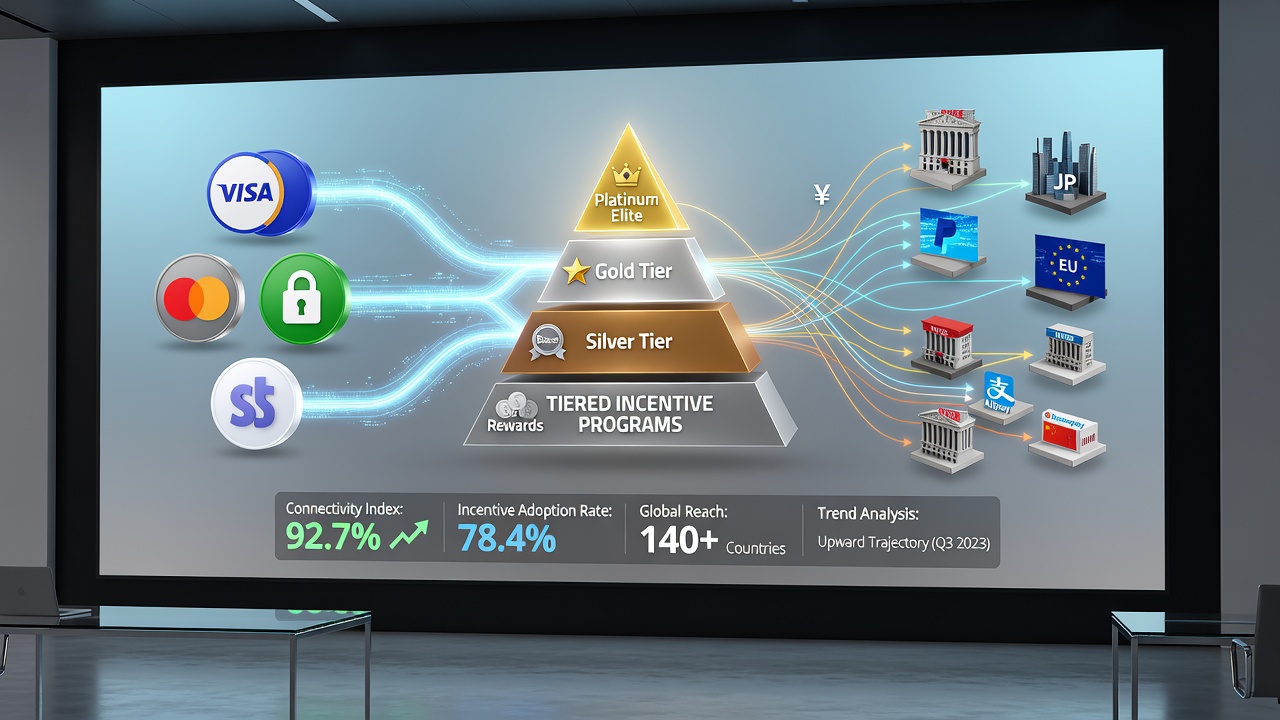
Security protocols have also tightened around these data pipelines. End-to-end encryption now covers the entire path from processor to reward engine, reducing exposure points while maintaining the speed needed for instant tier updates. Observers point out that networks adopting these measures experienced fewer interruptions in incentive delivery during peak traffic periods recorded in the second quarter of 2026.
Practical Examples Across Networks
Take one operator group that expanded its global footprint in 2025 and completed processor integrations across three continents by July 2026. Transaction logs from its European and Asian sites feed a unified database that recalculates tier status nightly, allowing a player’s deposit pattern in one market to accelerate rewards in another. Similar arrangements appear in networks serving North American users, where processors flag recurring payments to unlock progressive benefits without separate verification steps.
Smaller platforms have adopted scaled versions of the same model, often through white-label processor solutions that include built-in loyalty connectors. These setups let newer entrants compete on incentive depth without developing custom infrastructure, and reports indicate adoption rates rose steadily through the spring and early summer of 2026.
Conclusion
Connectivity between payment processors and tiered incentive programs continues to shape how global digital gaming networks allocate rewards based on verified transaction behavior. As integration standards evolve, the data exchange mechanisms established in 2026 provide the foundation for more responsive and geographically consistent loyalty structures across the sector.