Navigating Authentication Protocols to Sequence Prize Accumulation Across Remote Table Simulations
Theo Albrecht · Aug 24, 2026
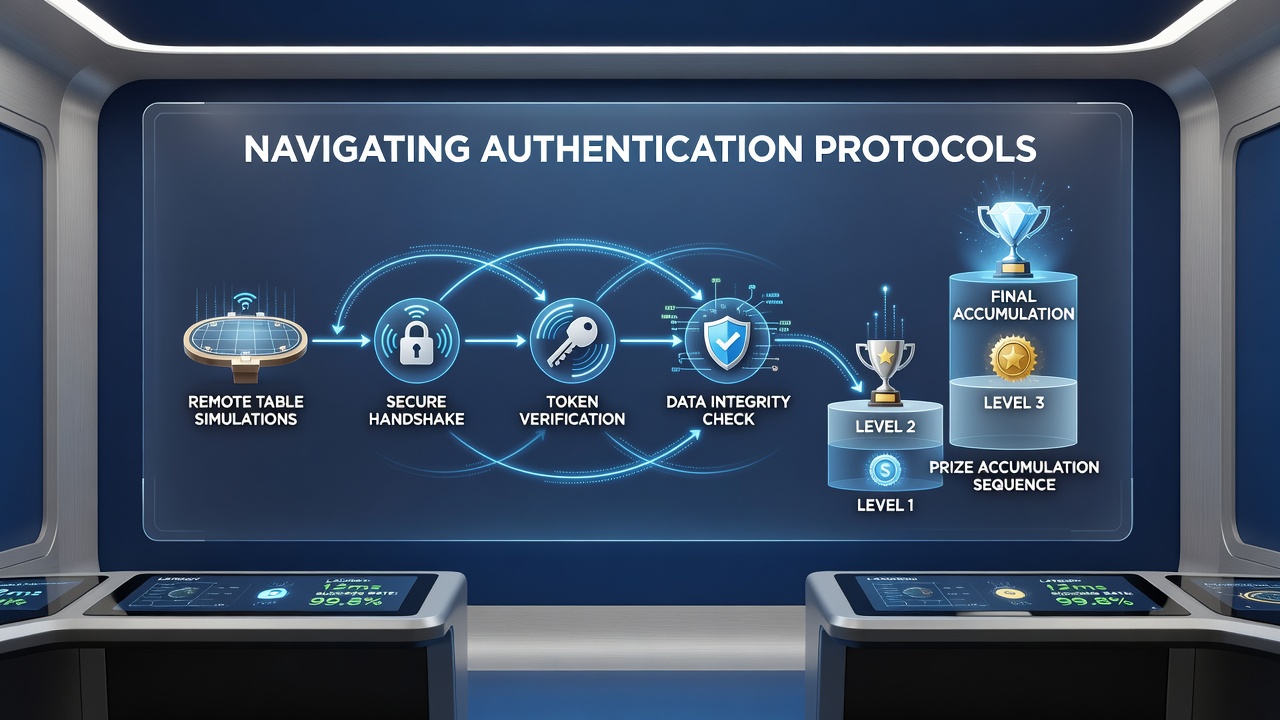
Navigating Authentication Protocols to Sequence Prize Accumulation Across Remote Table Simulations
Remote table simulations have expanded rapidly in digital gaming environments where players engage with virtual poker, blackjack, and roulette interfaces that replicate physical casino experiences through software protocols. Authentication systems form the backbone of these platforms because they verify user identity while managing the flow of bets, wins, and accumulated prizes across distributed servers. Observers note that without robust verification layers, prize sequencing breaks down as multiple concurrent sessions risk data collisions or unauthorized access.
Protocols such as OAuth 2.0 combined with OpenID Connect handle initial logins by issuing time-limited tokens that link directly to player profiles. These tokens carry metadata about session duration, table selections, and wager history, allowing backend systems to sequence rewards without exposing full account credentials during each hand or spin. Researchers at gaming technology firms have documented how token refresh cycles prevent session hijacking while preserving continuous prize tallies across hours of play.
Core Components of Authentication in Simulated Tables
Multi-factor authentication adds another dimension through device binding and biometric checks that confirm player presence before prize updates finalize. Data from platform audits shows these steps reduce account takeover incidents by integrating with risk engines that flag unusual patterns like rapid table switches or large bet escalations. Experts point out that such integration keeps prize accumulation synchronized even when network latency affects remote connections.
Single sign-on frameworks further streamline access across multiple simulation environments, passing verified credentials between poker lobbies and blackjack rooms without repeated logins. This approach supports real-time sequencing because each authenticated action updates a central ledger that tracks progressive jackpots and loyalty points simultaneously.
Sequencing Mechanisms for Prize Tracking
Prize sequencing relies on event-driven architectures where authentication events trigger updates to player wallets and reward ledgers. A successful token validation initiates a chain that records bet amounts, calculates outcomes, and allocates winnings into tiered categories such as instant payouts or accumulated bonuses. Studies from industry consortia reveal that timestamped event logs ensure chronological accuracy, preventing disputes over which table action generated specific rewards.

Remote environments introduce variables like variable latency and device diversity that demand adaptive protocols. Adaptive authentication adjusts verification intensity based on transaction value, requiring stronger confirmation for high-stakes table moves while allowing lighter checks during routine play. This flexibility maintains smooth prize sequencing without interrupting user flow across simulated tables.
Regulatory and Technical Developments in Mid-2026
By August 2026 regulatory updates from bodies such as the Nevada Gaming Control Board had emphasized standardized token formats for cross-platform prize tracking. These guidelines addressed interoperability between different simulation providers, ensuring that accumulated rewards transfer securely when players move between approved remote environments. Figures from compliance reports indicate rising adoption of these standards among operators managing large-scale table simulations.
Technical refinements also emerged in cryptographic signing of authentication payloads, which embeds prize data directly into verified tokens. This method reduces database query loads during peak hours and supports faster sequencing of rewards in high-volume settings. Observers tracking platform performance note measurable gains in processing speed after implementation across several major networks.
Integration Challenges and Solutions
Challenges arise when legacy systems interface with newer authentication layers, creating potential gaps in prize sequence continuity. Solutions include middleware that normalizes data formats between old and new protocols, preserving historical accumulation records while enabling modern security features. Research from technical working groups demonstrates that phased migrations minimize disruptions to ongoing player sessions and reward calculations.
Geographic variations add another layer because different jurisdictions apply distinct rules on data residency and verification frequency. Platforms operating across regions coordinate through federated identity systems that respect local requirements while maintaining unified prize ledgers. Data compiled by international gaming associations highlights successful deployments that balance compliance with seamless accumulation across borders.
Conclusion
Authentication protocols continue to evolve as the foundation for reliable prize sequencing in remote table simulations. Integration of token-based verification, adaptive checks, and event logging creates traceable pathways from login to reward distribution. Ongoing regulatory alignment and technical refinements support consistent performance as simulation volumes grow through 2026 and beyond.