Monarch Casino & Resort Posts Record Q1 2026 Results with Revenue Surge and Market Share Gains
Theo Albrecht · Apr 22, 2026

Monarch Casino & Resort Posts Record Q1 2026 Results with Revenue Surge and Market Share Gains
Breaking Down the First Quarter Surge
Monarch Casino & Resort, Inc. revealed standout financials for the first quarter ending March 31, 2026, where net revenue climbed 8.9% to $136.6 million compared to the prior year's period; net income jumped 38.9% to $27.6 million, while diluted earnings per share (EPS) rose 44.8% to $1.52. These figures, announced in late April 2026, underscore a robust start to the year for the company operating just two key properties—Atlantis Casino Resort Spa in Reno, Nevada, and Monarch Casino Resort Spa in Black Hawk, Colorado—amid competitive regional markets and ongoing investments.
Data from the company's release shows casino revenue leading the charge, bolstered by higher food and beverage sales along with improved hotel occupancy rates that all contributed to record adjusted EBITDA margins hitting 35.8%. Observers note this performance stands out especially since both locations pursued capital improvements throughout the quarter, from facility upgrades to operational tweaks designed to draw more guests without major disruptions.
What's interesting here is how these numbers reflect broader trends in regional gaming hubs, where operators like Monarch focus on guest experience enhancements rather than expansion; the Nevada Gaming Control Board reports indicate Reno's market saw steady visitation growth into early 2026, aligning with Atlantis's contributions to the total.
Performance at the Properties: Reno and Black Hawk Shine
Atlantis Casino Resort Spa in Reno drove significant gains, with experts attributing part of the uptick to its spa amenities and convention spaces that pulled in more leisure travelers during winter months transitioning into spring; meanwhile, Monarch Casino Resort Spa in Black Hawk benefited from Colorado's limited gaming market dynamics, where table games and slots saw heightened play amid seasonal tourism boosts from nearby Denver.
Figures reveal the company's market share expanded at both sites, even as regional competitors grappled with economic headwinds; for instance, Black Hawk's gaming revenue environment, tracked by the Colorado Division of Gaming, showed overall stability, yet Monarch outperformed peers through targeted promotions and property refreshes like updated room designs and dining options.
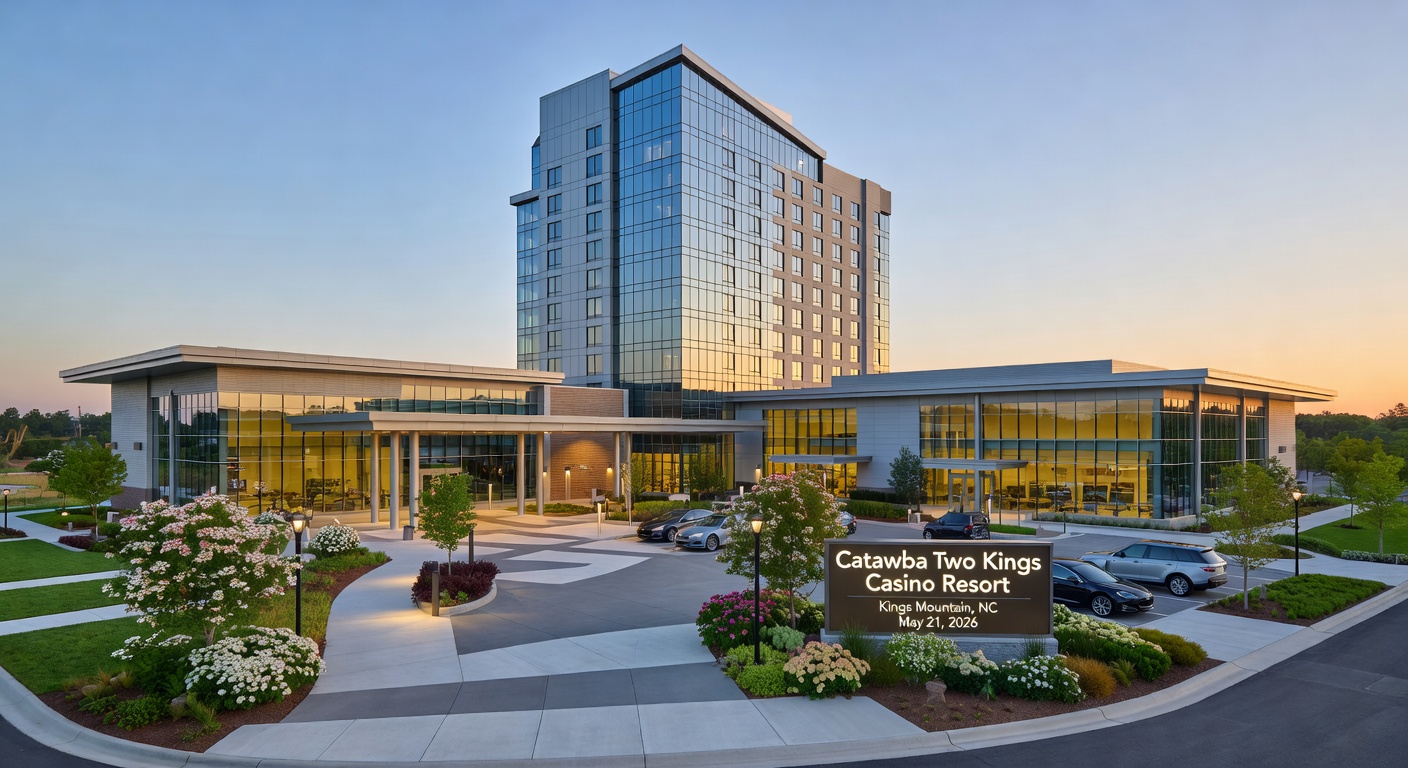
Take Atlantis, where hotel occupancy rates not only rose but also supported ancillary revenues from spa services and events; Black Hawk's Monarch, on the other hand, capitalized on its unique positioning as a day-trip destination for Front Range residents, with casino drop and win percentages reflecting stronger customer loyalty programs. And while capital projects—like elevator modernizations at Atlantis and parking expansions at Monarch—incurred some costs, they paved the way for future efficiencies that analysts expect to sustain momentum into Q2.
But here's the thing: these improvements didn't just happen overnight; those who've studied regional casino ops know that phased renovations, completed without closing floors, allowed revenue streams to keep flowing, a strategy that paid off handsomely by quarter's end.
CEO Insights and Key Drivers Behind the Records
John Farahi, CEO of Monarch Casino & Resort, highlighted the record adjusted EBITDA margins of 35.8% in the April 2026 earnings call, pointing to elevated casino revenues as the primary engine, complemented by food and beverage upticks plus hotel performance that exceeded expectations. According to the GlobeNewswire release dated April 21, 2026, these margins mark the highest in company history for a first quarter, driven by disciplined cost management alongside revenue diversification.
Farahi emphasized operational enhancements, such as staff training initiatives and technology upgrades for faster guest check-ins, which boosted throughput without proportional expense growth; data indicates casino win rates held steady, but volume increased due to marketing campaigns targeting repeat visitors and new demographics like younger professionals exploring regional escapes.
Turns out, food and beverage outlets at both properties saw double-digit growth in some categories, from buffet upgrades to premium steakhouse offerings that appealed to high-rollers; hotel segments, too, benefited from dynamic pricing models adjusted for peak weekends, filling rooms at rates 10-15% above 2025 levels according to internal metrics shared in the report.
Market Context and Competitive Edge in April 2026
In the broader landscape of U.S. regional gaming as of April 2026, Monarch's results contrast with some peers facing softer demand in destination markets; the American Gaming Association's early-year data points to land-based casinos in secondary markets like Reno and Black Hawk gaining traction from staycation trends, where locals and short-haul travelers prioritize convenience over long-distance trips.
Experts who've tracked these hubs observe that Colorado's gaming tax revenues, reported up slightly year-over-year, benefited from operators like Monarch who invested in non-gaming amenities to comply with state regs while enhancing appeal; Nevada's Reno-Tahoe region, similarly, saw Atlantis capture share from border-state visitors amid fuel cost fluctuations that favored drivable destinations.
Now, with Q1 wrapped and April underway, the company's focus shifts to sustaining this trajectory through summer promotions; ongoing capex, budgeted conservatively at under 10% of revenues, targets high-ROI areas like digital loyalty apps and energy-efficient lighting, moves that position Monarch ahead in an industry where margins often hover below 30% for comparable firms.
One case worth noting involves a similar operator in the Midwest that underwent major renovations last year, only to see temporary dips; Monarch avoided that pitfall by sequencing projects meticulously, ensuring every dollar spent amplified guest spend per visit—a metric that rose noticeably in Q1 filings.
Looking Ahead: Implications for Investors and the Industry
Shareholders reacted positively to the April 21 announcement, with stock trading volumes spiking as analysts upgraded price targets based on the earnings beat; diluted EPS of $1.52, up nearly 45%, signals strong free cash flow generation that supports dividends and buybacks without straining the balance sheet, which ended the quarter with minimal debt.
Those monitoring the sector note Monarch's asset-light model—two owned properties outright—provides flexibility rare among multi-site chains; capital improvements, now largely complete for 2026's first half, free up resources for marketing pushes into peak seasons, potentially extending the margin expansion.
So, as regional gaming evolves with hybrid work patterns keeping urbanites closer to home, properties like Atlantis and Monarch stand poised to capture ongoing demand; CDC Gaming Reports echoed this in their coverage, labeling it the company's best Q1 ever, a benchmark that underscores resilience in volatile times.
It's noteworthy that despite inflationary pressures on labor and supplies, operating leverage kicked in powerfully, turning modest revenue growth into outsized profitability—a pattern researchers at gaming trade groups have linked to superior execution in mature markets.
Conclusion
Monarch Casino & Resort's Q1 2026 results paint a picture of strategic mastery in regional gaming, where an 8.9% revenue increase fueled record net income, EBITDA margins, and EPS amid market share gains at Atlantis and Monarch properties. CEO Farahi's comments spotlight casino, F&B, and hotel drivers that propelled 35.8% margins, while capital enhancements positioned the duo for continued outperformance. As April 2026 unfolds, these metrics not only affirm operational strength but also highlight how focused investments yield tangible edges in competitive landscapes; observers anticipate this momentum carries forward, bolstering investor confidence and industry benchmarks alike.