How Secure Transaction Channels Unlock Layered Incentive Structures Across Portable Reel and Dealer Platforms
Theo Albrecht · Jun 15, 2026
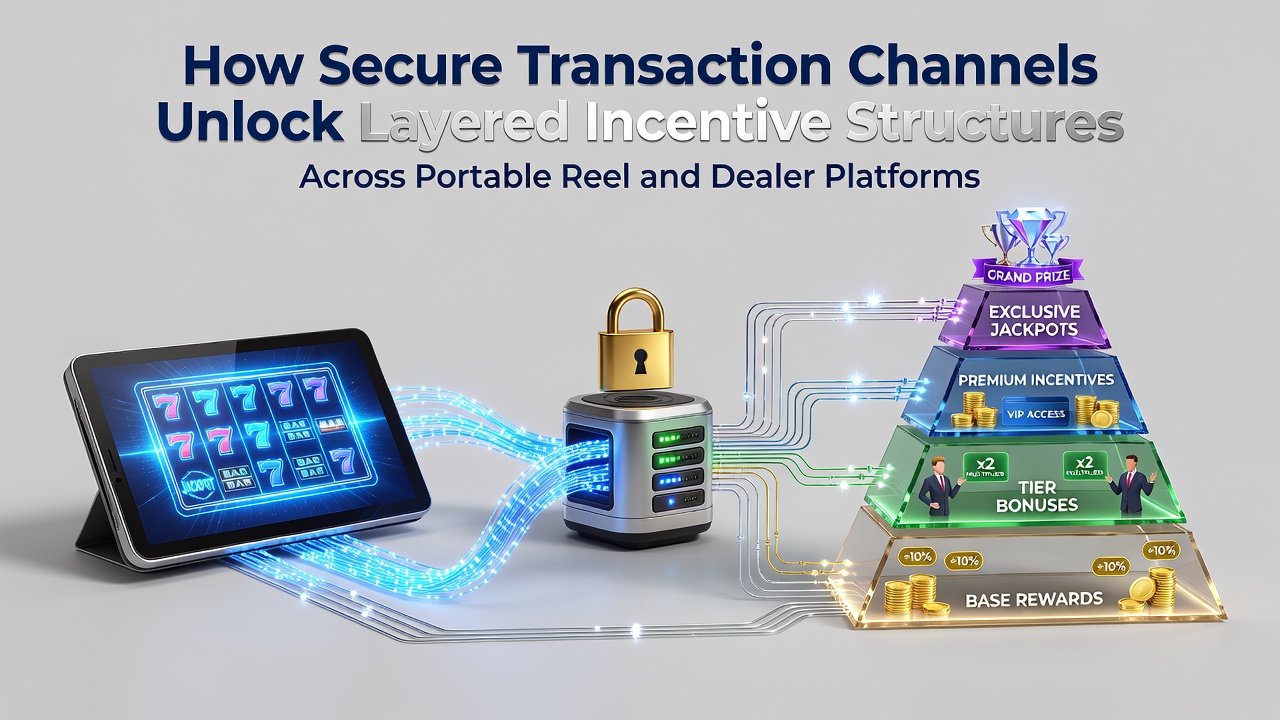
How Secure Transaction Channels Unlock Layered Incentive Structures Across Portable Reel and Dealer Platforms
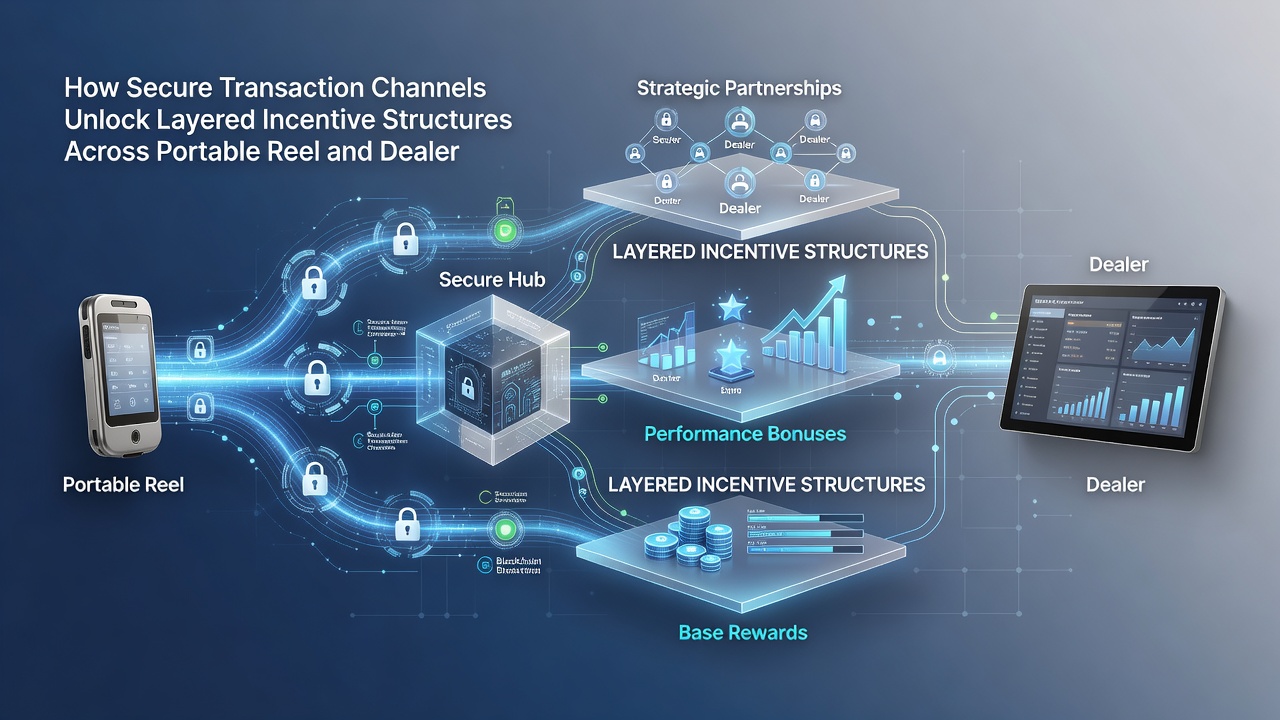
Secure transaction channels form the backbone of modern portable reel and dealer platforms, where encryption protocols and verified payment gateways allow operators to build multi-tiered reward systems without compromising data integrity or regulatory compliance. These channels rely on end-to-end encryption standards that protect user funds during deposits and withdrawals, while simultaneously feeding real-time transaction data into algorithms that calculate eligibility for bonuses, loyalty points, and VIP escalations across both slot-based reels and live dealer tables.
Core Mechanics of Secure Channels in Mobile Environments
Portable platforms integrate secure sockets layer technology with tokenization methods that replace sensitive card details with unique identifiers, and this setup lets operators track spending patterns across sessions without exposing raw financial information. Data indicates that such measures reduce fraud incidents by measurable margins, which in turn frees resources for expanding incentive layers such as deposit-match progressions and cashback multipliers tied directly to verified play volume. Researchers have observed that platforms using multi-factor authentication combined with biometric checks achieve higher retention rates because users trust the system enough to engage repeatedly with both reel spins and dealer interactions.
Building Layered Incentives Through Verified Flows
Once a transaction clears through a secured gateway, the platform logs the amount, timing, and game type into a centralized database that powers progressive reward tiers. For instance, a user completing a deposit on a mobile reel interface might unlock an initial bonus round, then additional layers activate when the same verified funds transfer to live dealer tables, creating cross-platform progression that rewards consistent activity. Figures from industry reports show that these layered structures often include time-limited challenges where secure tracking confirms participation, allowing automatic advancement to higher VIP brackets with benefits like exclusive table access or enhanced payout percentages. Observers note that without reliable channel security, operators could not maintain the audit trails required by various gaming commissions to validate such programs.
Integration Across Reel and Dealer Platforms
Reel platforms emphasize rapid transaction cycles suited to high-volume spins, whereas dealer environments demand slower, verified flows that accommodate real-time table decisions. Secure channels bridge these differences by maintaining consistent verification standards, so a player moving from portable slots to live blackjack tables carries forward their accumulated incentive status without interruption. Studies from academic institutions have highlighted how unified payment ledgers enable operators to offer hybrid promotions, such as reel-based free spins that convert into dealer-table credits once security protocols confirm the original deposit. This interoperability proves especially relevant in June 2026, when multiple jurisdictions updated their digital gaming guidelines to emphasize seamless cross-format reward delivery under stricter transaction monitoring rules.
Regulatory Frameworks Supporting Expanded Structures
Authorities such as the New Jersey Division of Gaming Enforcement require documented security certifications before approving layered incentive programs, and similar standards appear in other regions including oversight from Australia's state-based regulators. Compliance documentation typically covers encryption strength, transaction logging frequency, and audit frequency, all of which directly support the technical capacity for complex reward layering. Those who've examined regulatory filings note that platforms meeting these benchmarks can introduce dynamic incentives adjusted in real time based on verified player behavior across both reel and dealer formats.
Technical Components Driving Incentive Scalability
Application programming interfaces connect payment processors to game servers, allowing instant updates to player profiles when a transaction succeeds. This connectivity supports features like streak bonuses that accumulate across mobile sessions or dealer table milestones, with each layer gated behind additional security confirmations such as address verification or spending thresholds. Evidence from platform audits reveals that these automated linkages reduce manual oversight costs while increasing the precision of reward distribution, particularly when users switch between portable reel machines and interactive dealer streams within the same account.
Future Trajectories in June 2026 and Beyond
Industry data compiled through mid-2026 points to continued refinement of secure channels incorporating blockchain verification elements alongside traditional encryption, which further stabilizes the foundation for deeper incentive layering. Operators continue testing unified wallets that maintain security across reel and dealer environments, enabling reward structures that respond to combined play metrics rather than isolated game categories. Such developments align with evolving requirements from multiple international bodies focused on maintaining transaction transparency while expanding player engagement options.
Conclusion
Secure transaction channels serve as the enabling infrastructure that permits portable reel and dealer platforms to deploy and manage layered incentive structures with measurable accuracy and regulatory alignment. By combining encryption, tokenization, and verified data flows, operators sustain complex reward systems that adapt to user activity across mobile formats. Continued advancements in these channels, particularly evident in June 2026 updates, support ongoing expansion of incentive options while preserving the integrity required by oversight entities worldwide.