How Funding Channels Alter Multiplier Chains in App-Based Reel and Table Progressions
Theo Albrecht · Aug 5, 2026
How Funding Channels Alter Multiplier Chains in App-Based Reel and Table Progressions
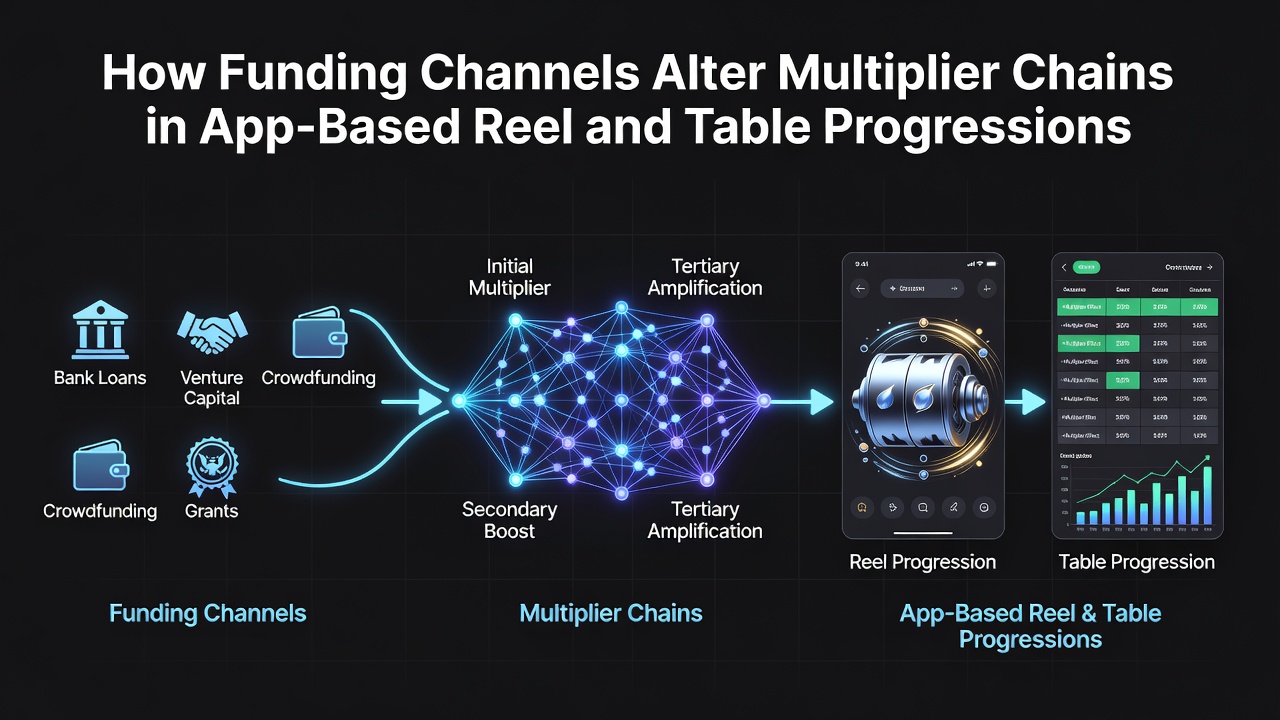
Data from mobile gaming platforms reveals that funding channels directly shape how multiplier chains build across reel sequences and table progressions, with deposit methods determining eligibility for accelerated bonus layers and tiered reward accumulation. Payment types such as e-wallets, bank transfers, credit instruments, and digital currencies route through verification protocols that either compress or extend the steps required to trigger successive multipliers in app environments.
Payment Pathways and Their Entry Points
App-based systems process deposits through distinct rails that feed into core progression engines, and observers note how instant verification from certain digital wallets shortens the interval before initial multipliers activate in reel spins or table rounds. Bank-linked transfers often require additional confirmation steps that delay chain formation, whereas crypto options bypass some traditional checks and feed directly into multiplier pools that compound across consecutive plays. Researchers tracking platform logs have documented cases where users selecting prepaid methods encounter capped early multipliers, limiting the speed at which reel progressions advance into higher payout brackets.
Reel Sequences and Funding Velocity
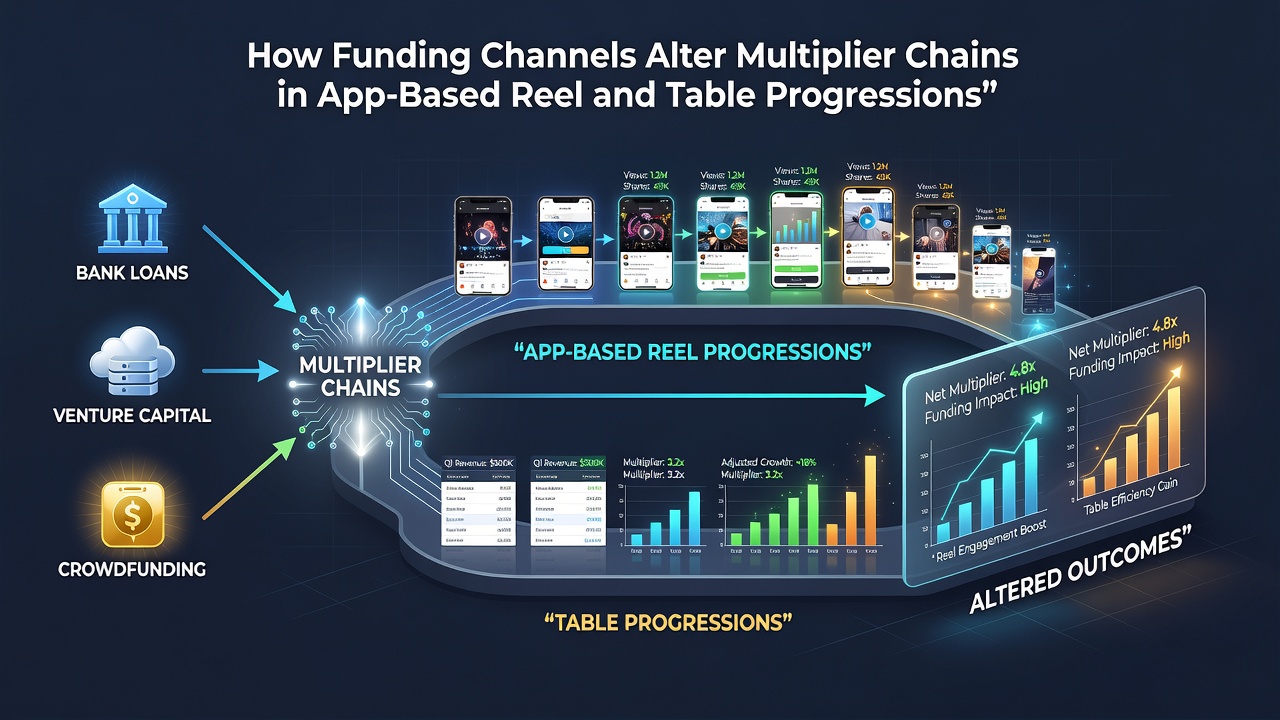
Reel progressions rely on sequential multiplier triggers that respond to deposit velocity, with data indicating faster chains when funding arrives via integrated wallet services that pre-authorize repeated top-ups. One study of aggregated user sessions found that credit-based deposits frequently align with extended verification windows, which in turn stretch the time between multiplier activations and reduce the density of chained events within single sessions. App developers adjust these mechanics through backend rules that tie funding source risk scores to multiplier caps, so platforms apply tighter limits to certain card networks while relaxing thresholds for verified e-wallet flows.
Table Interactions and Layered Accumulation
Table progressions in the same apps accumulate multipliers through decision trees that factor in both wager size and funding origin, and figures reveal that users routing funds via automated clearing house transfers experience steadier but slower chain growth compared with those using instant digital options. The difference appears in how platforms assign progression points, since slower-settling methods trigger fewer intermediate multipliers before reaching table-specific bonus thresholds. Those who have examined transaction datasets note that crypto deposits sometimes bypass regional hold periods, allowing table chains to advance through multiple multiplier stages within shorter timeframes.
August 2026 brought updated compliance frameworks across several North American jurisdictions that further differentiated funding channels by their settlement speed and traceability, prompting app operators to recalibrate multiplier algorithms accordingly. These adjustments produced measurable shifts in how reel and table chains progressed for users employing newer digital asset rails versus legacy card instruments.
Platform Algorithms and Source-Based Rules
Backend systems embed funding-source classifiers that directly modulate multiplier multipliers, and evidence from industry reports shows higher chain ceilings applied to low-risk wallet deposits while elevated scrutiny on certain card types produces stepped reductions in available progression layers. People examining these rule sets have observed that the same deposit amount can yield divergent chain lengths depending on whether the source carries instant settlement or requires batch processing. Such distinctions matter most during peak activity windows when platforms prioritize rapid multiplier turnover to maintain engagement across reel and table modules.
Cross-Regional Patterns in August 2026
Regulatory updates issued that month by the Alcohol and Gaming Commission of Ontario clarified how funding traceability affects multiplier eligibility in cross-border app traffic, and similar guidance emerged from Australian state authorities examining digital currency flows. These documents outlined reporting requirements that indirectly shaped how platforms weighted deposit channels when calculating chained rewards. A parallel analysis from the University of Nevada, Las Vegas gaming research group highlighted statistical differences in progression rates tied to payment instrument type, confirming that source verification timelines correlate with measurable changes in multiplier density.
App operators responded by publishing updated terms that mapped specific funding methods to multiplier tiers, and those changes standardized the pathways through which reel sequences and table progressions accumulate rewards. Transaction logs from the period demonstrate that users switching between channels mid-session experienced abrupt shifts in available multiplier steps, underscoring the direct linkage between funding route and chain behavior.
Conclusion
Funding channels function as gatekeepers that recalibrate the pace and scope of multiplier chains within app-based reel and table environments, with each method introducing distinct timing and eligibility constraints that propagate through progression logic. Data collected through 2026 confirms these effects remain consistent across platforms, driven by verification protocols and risk scoring rather than user preference alone. As regulatory bodies continue refining traceability standards, the relationship between deposit rails and multiplier accumulation will likely grow more explicit in publicly documented platform mechanics.