Examining Synchronization Patterns in Player Progression Systems Across Hybrid Gaming Platforms
Anna Jung · Jul 10, 2026
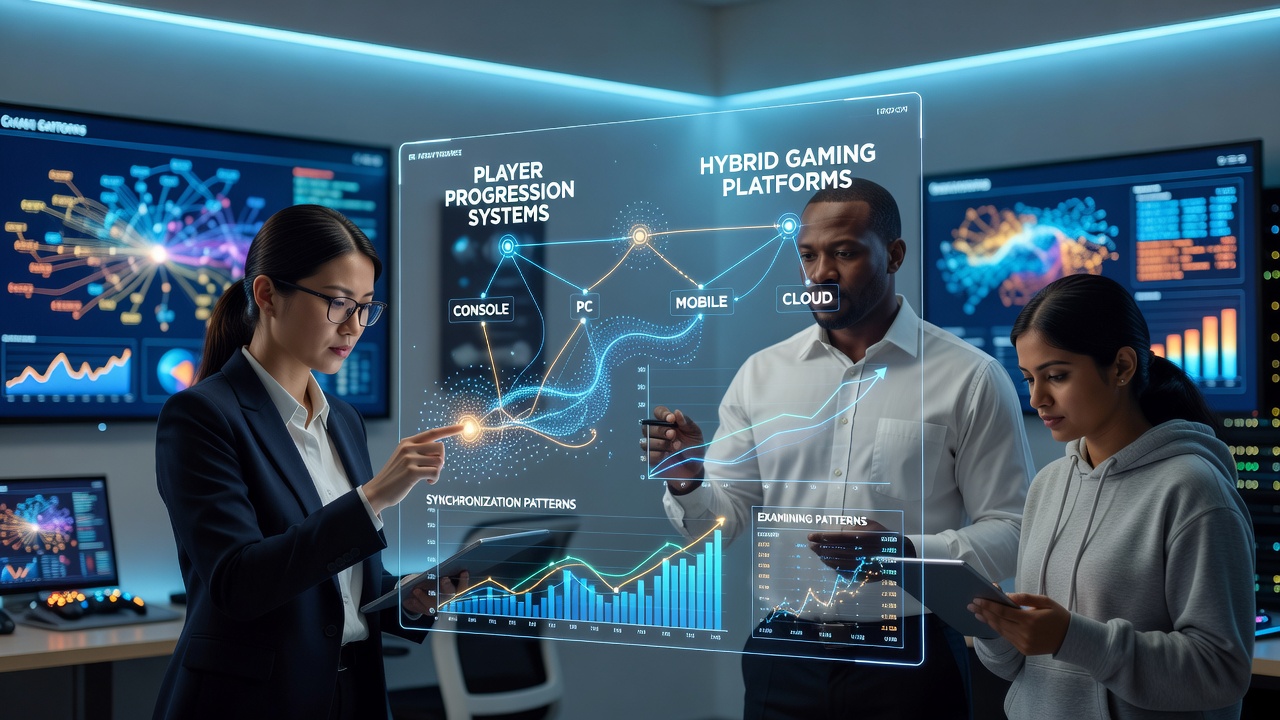
Examining Synchronization Patterns in Player Progression Systems Across Hybrid Gaming Platforms
Hybrid gaming platforms have expanded significantly by July 2026 as developers integrate mobile, console, and PC environments into unified ecosystems where player progression data flows between devices without interruption. Synchronization patterns emerge when systems track experience points, skill unlocks, and inventory states across these formats, and industry reports indicate that major titles now rely on cloud-based architectures to maintain consistency.
Core Mechanisms Driving Cross-Platform Progression
Player accounts store progression data on centralized servers, and this setup allows seamless transitions when users switch from a mobile session to a console or PC interface. Data packets containing level advancements and achievement records transmit in real time, while conflict resolution algorithms prioritize the most recent updates to prevent duplication or loss. Researchers at institutions studying digital entertainment have documented how these systems employ timestamp verification and version control to align records across disparate hardware configurations.
API endpoints facilitate communication between different platform operating systems, and developers implement standardized data schemas that map equivalent progression elements regardless of the access method. One study revealed that titles employing unified progression models experience higher session continuity rates, since players resume exactly where they left off without manual intervention or data migration steps.
Observed Patterns in Data Flow and Retention
Analysis of synchronization logs shows recurring patterns where progression updates cluster during peak evening hours across multiple time zones, and this clustering correlates with simultaneous multi-device usage. Mobile platforms often initiate smaller incremental saves that aggregate into larger console or PC updates, whereas PC sessions tend to generate bulk data transfers upon session completion. Figures from the Entertainment Software Association highlight that hybrid titles accounted for over 40 percent of active user bases in early 2026, with synchronization success rates exceeding 95 percent in monitored environments.
Seasonal events and limited-time challenges create distinct synchronization spikes, and these events force systems to handle simultaneous updates from thousands of concurrent sessions. Observers note that retention metrics improve when progression rewards appear uniformly across platforms, because players maintain momentum without device-specific barriers interrupting their advancement paths.
Technical Challenges and Resolution Strategies
Latency variations between mobile networks and wired console connections introduce potential desynchronization points, yet developers counter these issues through predictive caching and offline queue systems that apply changes upon reconnection. Hardware differences in processing power also affect how quickly local clients reflect server-side updates, and this variance requires additional validation layers to confirm that all devices display identical progression states. Data from the European Games Developer Federation indicates that hybrid platform titles released in 2025 incorporated an average of 12 distinct synchronization checkpoints per major update cycle, reducing rollback incidents by measurable margins.
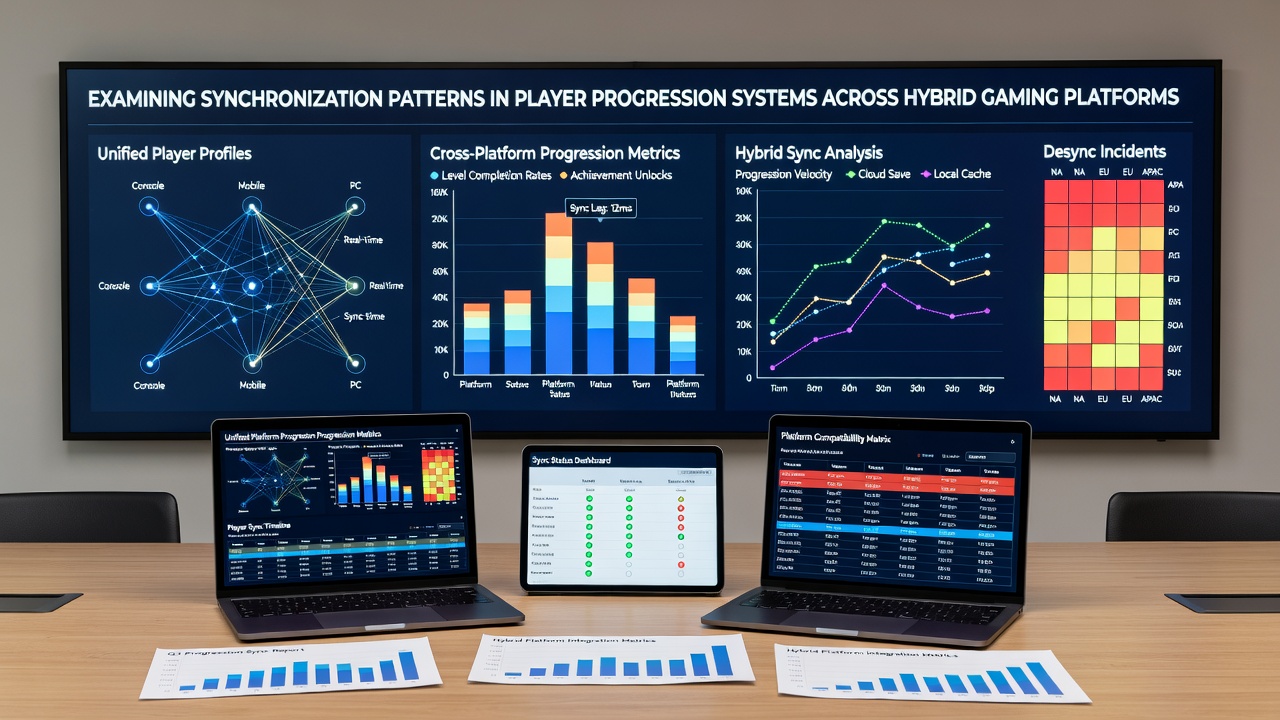
Security protocols encrypt progression data during transit, and authentication tokens verify user identity before allowing state changes. When anomalies appear in synchronization logs, automated systems flag them for manual review while preserving the last verified state for the affected account. These measures address both technical faults and potential exploitation attempts that could manipulate progression metrics across platforms.
Case Examples from Major Titles
Several established franchises have implemented cross-progression features that illustrate effective synchronization patterns, and one prominent example involves a shared universe game series where character customizations transfer directly between mobile companion apps and full console releases. Another instance shows an open-world title maintaining inventory parity across PC and handheld devices through continuous background syncing, and players report uninterrupted advancement even during extended travel periods. Reports compiled by academic research groups tracking digital gaming trends confirm that such implementations correlate with extended average play durations across device types.
July 2026 updates to several hybrid titles introduced enhanced conflict detection for simultaneous multi-device logins, and these refinements allow systems to merge parallel progression branches without overwriting recent achievements. The adjustments reflect ongoing refinements based on aggregated usage data collected throughout the preceding year.
Future Directions in Synchronization Technology
Emerging approaches incorporate machine learning models that predict user device switches and pre-load relevant progression segments, and this predictive capability reduces perceived loading times during transitions. Blockchain-based ledgers have appeared in limited experimental titles as an alternative method for recording immutable progression milestones, although adoption remains narrow compared with traditional cloud databases. Industry analysts project continued refinement of these systems as hardware diversity increases with new portable and stationary devices entering the market.
Conclusion
Synchronization patterns in player progression systems across hybrid gaming platforms demonstrate consistent architectural principles centered on centralized data management, real-time validation, and adaptive conflict resolution. As of July 2026, these systems support growing numbers of users who move fluidly between device types while preserving continuity in their advancement records. Ongoing technical developments focus on minimizing latency and expanding compatibility, which sustains the operational integrity of unified progression frameworks across an expanding range of gaming environments.