Dissecting Reward Eligibility Patterns Through Transaction Verification in Virtual Table Environments
Theo Albrecht · Aug 17, 2026

Dissecting Reward Eligibility Patterns Through Transaction Verification in Virtual Table Environments
Virtual table environments in online gaming platforms rely on layered transaction verification to determine reward access, and analysts track how these processes create distinct eligibility patterns across blackjack, roulette, and poker sessions. Verification steps include identity confirmation, payment source validation, and ongoing activity monitoring that filter participants before any bonus structures activate.
Core Components of Transaction Verification
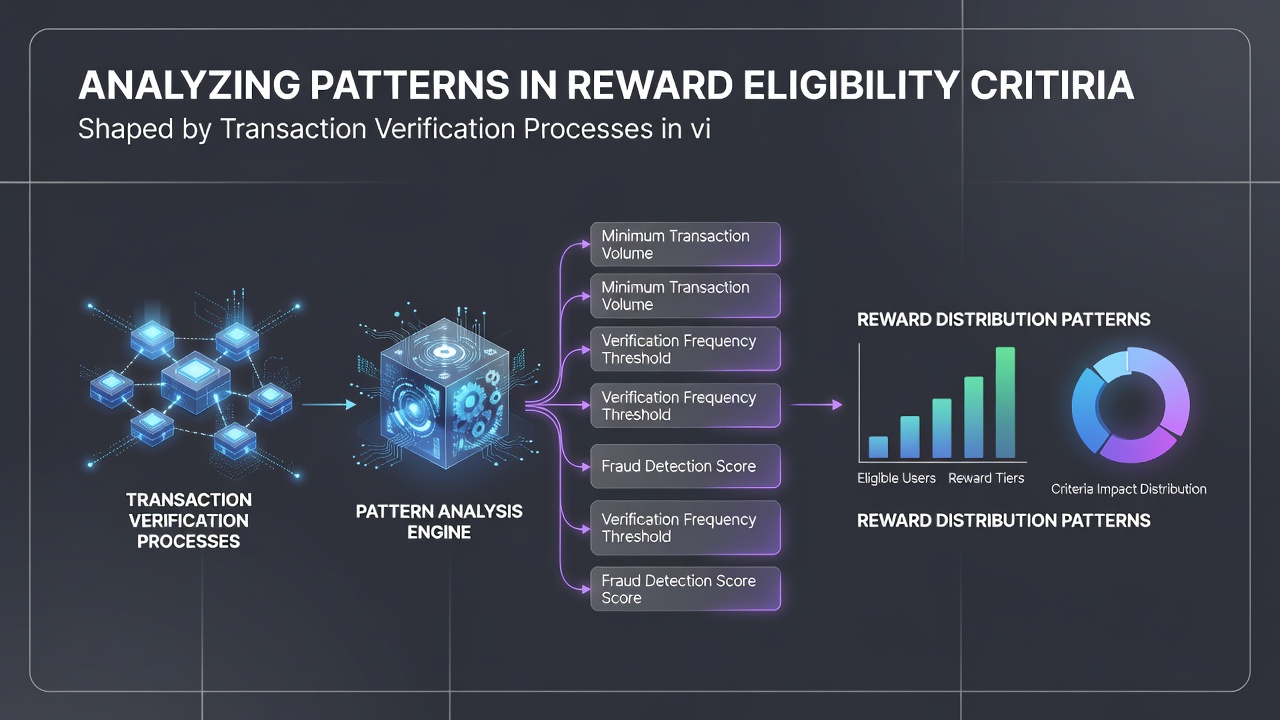
Operators apply automated checks at deposit and withdrawal points while maintaining continuous scrutiny of player accounts, and this sequence directly shapes which users qualify for tiered rewards such as cashback percentages or table-specific multipliers. Data compiled through August 2026 shows platforms processing millions of daily transactions where verification failures delay eligibility windows by days or weeks, creating measurable gaps between account creation and reward activation.
Security protocols require cross-referencing government-issued documents with banking records, and researchers note that accounts passing these checks at the first attempt demonstrate higher rates of sustained engagement with virtual tables compared to those requiring multiple resubmissions. Patterns emerge when verification speed correlates with reward tier progression, because faster approvals allow players to accumulate the transaction volume thresholds that unlock higher benefit levels.
Observed Patterns in Eligibility Criteria
Studies of platform datasets reveal recurring sequences where transaction verification completion precedes reward eligibility by consistent intervals, and these intervals vary by region due to differing regulatory reporting requirements. Accounts verified within 24 hours frequently meet initial bonus criteria sooner, whereas delayed verifications shift users into later reward cycles that carry different terms.
One analysis of interactive table environments found that players completing verification through certain payment rails accessed VIP pathways at accelerated rates, because those rails transmit confirmation data directly into eligibility scoring systems. Observers tracking August 2026 metrics identified clusters where high-volume table participants who cleared verification early secured cumulative rewards exceeding those of slower-verified accounts by measurable margins.
Regional Regulatory Influences on Verification Flows
Regulatory frameworks in multiple jurisdictions dictate minimum verification standards that operators must embed into reward distribution logic, and these standards produce geographic variations in eligibility timelines. Reports from the Nevada Gaming Control Board document how state-level requirements affect transaction processing speeds, which in turn influence when virtual table rewards become available to qualifying accounts.
Platforms serving multiple markets adjust verification sequences to align with local rules, and this adaptation creates distinct reward pattern clusters. Accounts operating under stricter documentation mandates encounter extended review periods that postpone eligibility, while those under streamlined protocols advance through reward tiers more rapidly once initial verification clears.
Data Correlations Between Verification and Reward Access
Platform analytics indicate that verified transaction history serves as the primary input for reward scoring algorithms in virtual table settings, and repeated successful transactions build eligibility profiles that determine access to progressive bonuses. Research from academic sources such as those compiled by the Australian Gambling Research Centre tracks how verification completion rates align with reward redemption volumes across digital table products.
Patterns show that accounts maintaining consistent verified transaction flows reach eligibility milestones at predictable intervals, whereas sporadic activity combined with verification gaps produces irregular reward access. These correlations help operators refine criteria without altering core verification requirements.
Conclusion
Transaction verification processes continue to define reward eligibility boundaries in virtual table environments through structured data flows and regulatory alignment. Patterns identified in recent datasets demonstrate clear connections between verification completion timing and subsequent reward tier advancement across multiple platforms and regions. Continued monitoring of these interactions provides operators and analysts with concrete indicators for system optimization.