Decoding Sequential Reward Chains Across Portable Interfaces and Automated Table Interactions
Olivia Washington · Jun 5, 2026
Decoding Sequential Reward Chains Across Portable Interfaces and Automated Table Interactions
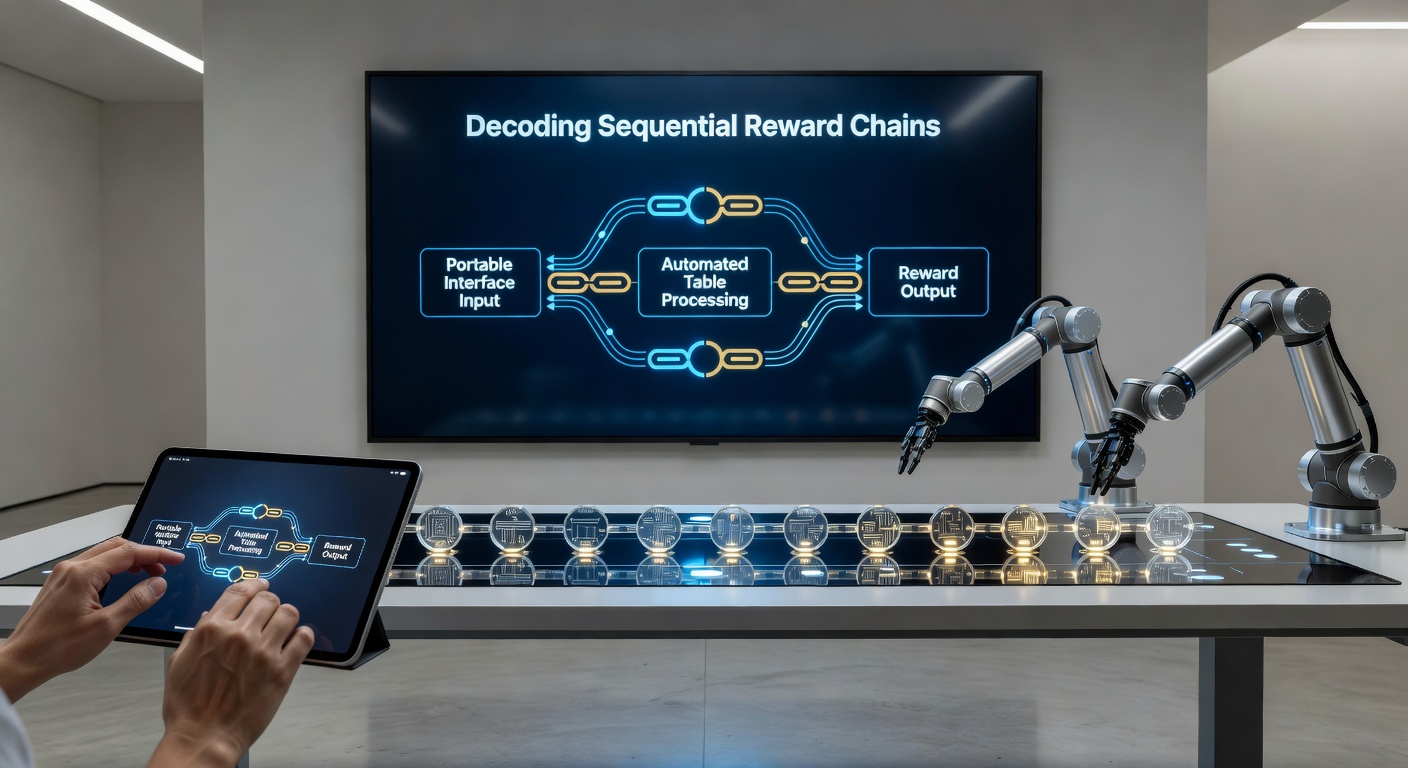
Sequential reward chains operate as layered progression systems where each completed action unlocks subsequent tiers of bonuses and credits, and portable interfaces deliver these mechanics directly to users through apps and mobile platforms while automated table interactions handle similar sequences via electronic terminals at physical gaming floors. Systems track player activity in real time across both environments, and data collected from June 2026 deployments shows integration patterns between mobile sessions and on-site automated play.
Mechanics of Sequential Reward Structures
Portable interfaces initiate reward chains through deposit triggers, game completions, and loyalty milestones, and each step advances the user along a defined sequence that may include free spins, cashback multipliers, or tiered access to premium features. Automated tables mirror these processes by logging bets, outcomes, and session durations at electronic stations, which then feed into centralized systems that issue rewards based on predefined criteria. Research indicates that operators synchronize these chains across channels to maintain continuity, so a player who starts a sequence on a mobile app can continue progress at an automated blackjack terminal without resetting the chain.
Studies from industry reports reveal that these structures rely on timestamped event logging and algorithmic progression rules, and June 2026 updates introduced refined synchronization protocols that reduced cross-platform delays from several minutes to under thirty seconds in tested systems. Observers note that the underlying architecture uses API connections between mobile servers and floor management software, which allows reward eligibility to transfer seamlessly when users move between environments.
Portable Interface Implementation Patterns
Mobile platforms structure sequential rewards around session-based triggers such as consecutive logins, wager thresholds, and achievement unlocks, and developers embed these within user dashboards that display current chain status alongside upcoming milestones. Data shows that push notifications and in-app progress bars guide users through the sequence, and completion rates increase when visual indicators update immediately after each qualifying action. Those who have analyzed user behavior across multiple operators find that portable interfaces often front-load simpler tasks to build early momentum before introducing higher-stakes requirements later in the chain.
Integration with payment gateways adds another layer, because deposit methods and transaction speeds influence reward eligibility windows, and systems automatically validate these elements before advancing the chain. Figures from operational reviews indicate that June 2026 saw expanded support for instant settlement options that shortened verification times and allowed chains to progress without interruption.
Automated Table Interaction Dynamics
Automated tables employ RFID readers, touch interfaces, and embedded sensors to capture every bet and outcome, which then populate the same reward databases used by mobile systems. Players insert player cards or link accounts at the terminal, and the machine records activity that contributes to ongoing sequences, such as consecutive wins or total hands played within a defined period. Evidence suggests these terminals communicate directly with central servers, enabling real-time updates that reflect both table-specific achievements and broader cross-platform progress.
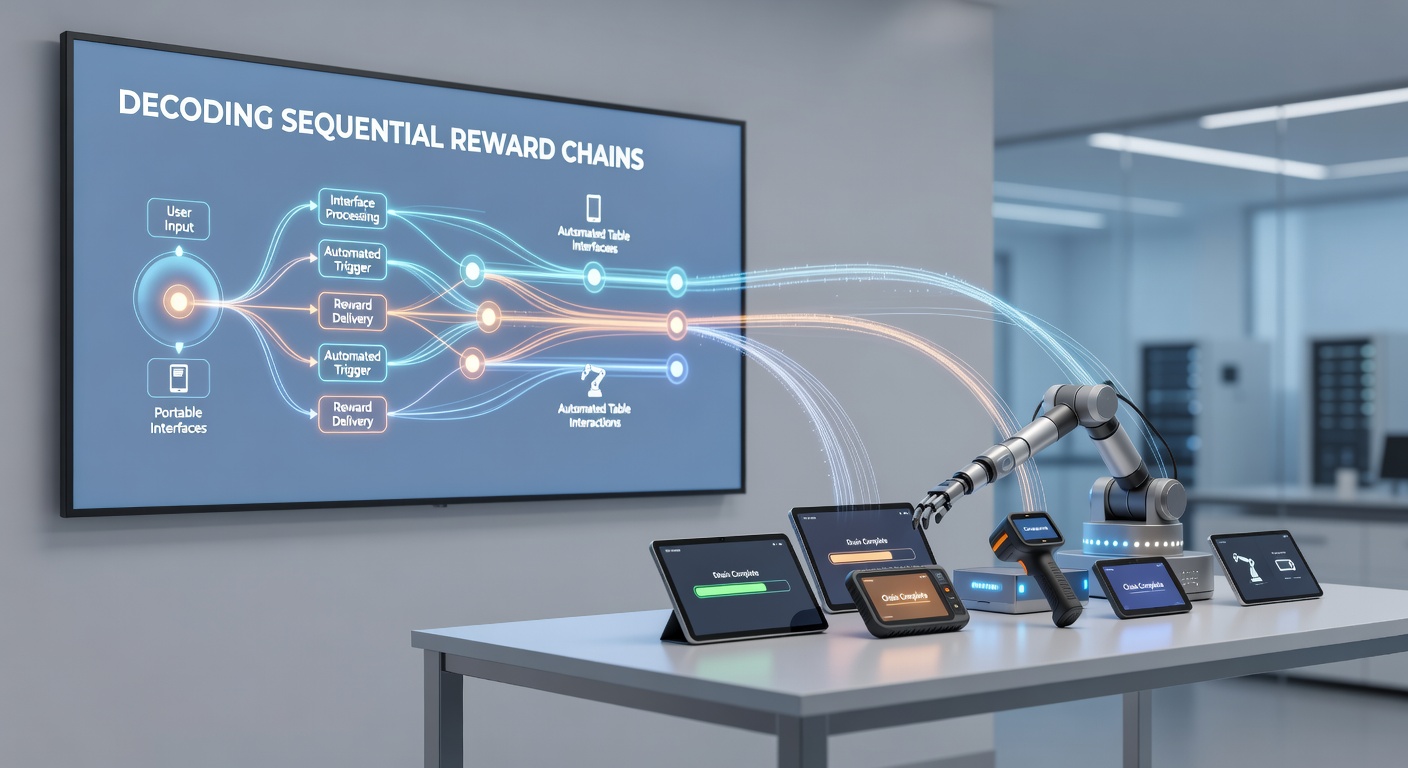
Operators configure rules so that certain automated table games award unique multipliers or exclusive bonuses not available on portable interfaces, and this differentiation encourages movement between channels. Reports compiled in June 2026 documented increased adoption of hybrid terminals that combine video-based table games with reward tracking modules, which streamlined the collection of sequential data at the point of play.
Cross-Platform Data Synchronization
Synchronization occurs through secure cloud-based platforms that aggregate activity logs from mobile apps and automated terminals into unified player profiles, and this consolidation allows reward engines to evaluate chain completion regardless of access method. Technical specifications require encryption protocols and audit trails that satisfy regulatory standards, and compliance documentation from bodies such as the New Jersey Division of Gaming Enforcement outlines mandatory reporting intervals for reward system performance. Additional oversight comes from the Australian Gambling Research Centre, which has examined data integrity across multi-channel environments.
Latency testing conducted during the first half of 2026 demonstrated that optimized server clusters maintained sub-second response times for most reward validations, and operators implemented fallback procedures to handle temporary connectivity losses without breaking chain continuity. Those monitoring system performance report that redundancy measures, including mirrored databases, prevent reward duplication or omission during high-volume periods.
Regulatory and Operational Considerations
Regulatory frameworks require transparent documentation of how sequential rewards calculate and distribute across interfaces, and operators submit algorithm descriptions along with payout verification reports on scheduled cycles. Automated table systems undergo additional hardware certification to ensure sensor accuracy and data capture reliability, while mobile platforms face scrutiny over app store compliance and user data handling. June 2026 enforcement updates emphasized audit access to cross-platform logs, which allows regulators to verify that reward chains function consistently regardless of entry point.
Operational teams coordinate maintenance windows so that both mobile and table systems receive updates without disrupting active chains, and rollback capabilities preserve player progress during software deployments. Training materials for floor staff include instructions on assisting users who encounter synchronization issues at automated terminals, which minimizes interruptions to ongoing reward sequences.
Conclusion
Sequential reward chains now span portable interfaces and automated table interactions through integrated tracking systems that maintain continuity across channels, and June 2026 deployments refined the technical and regulatory frameworks supporting these operations. Data synchronization protocols, compliance requirements, and operational procedures collectively enable consistent reward delivery while meeting oversight standards from multiple jurisdictions. Continued refinement of these systems supports expanded functionality as operators scale multi-platform offerings.