Charting the Interplay of Deposit Pathways and Sequential Bonus Triggers Across Cross-Device Gaming Networks
Olivia Beck · Jul 29, 2026
Charting the Interplay of Deposit Pathways and Sequential Bonus Triggers Across Cross-Device Gaming Networks
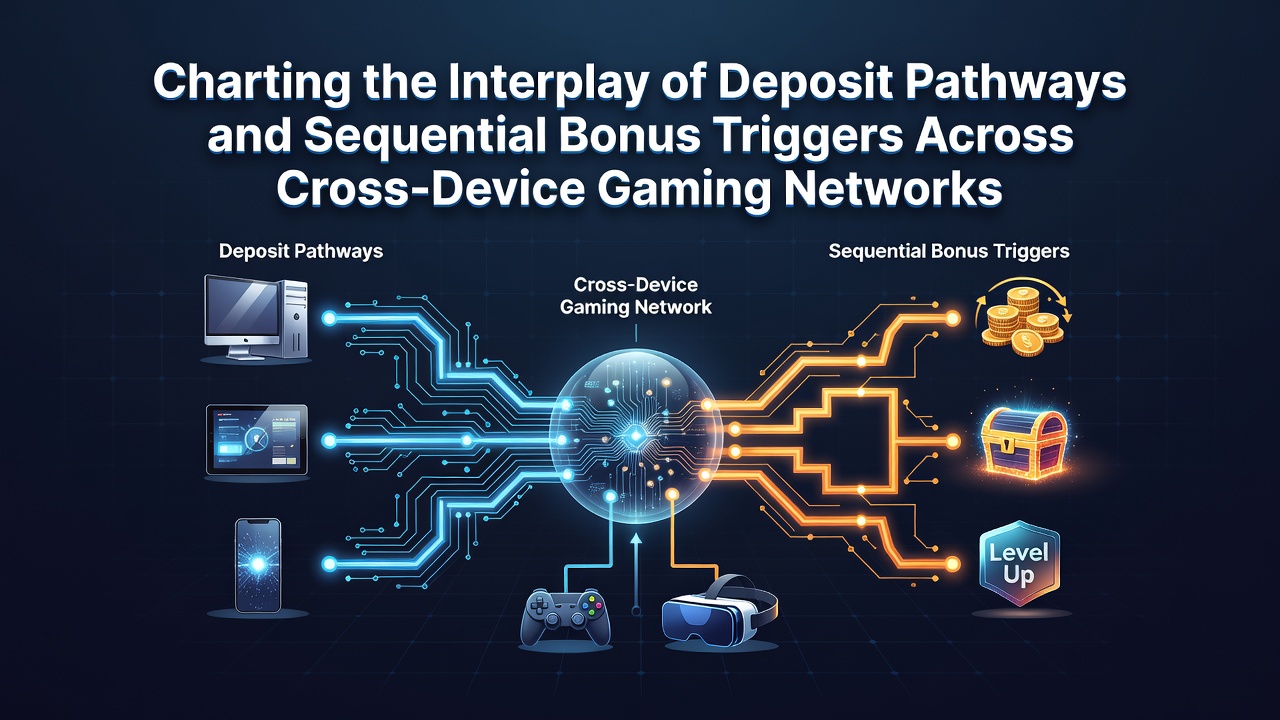
Payment methods shape how sequential bonuses activate in networked gaming environments that span phones, tablets, and desktops, and researchers tracking these systems note consistent patterns in how deposits initiate reward chains. Data from multiple markets shows that credit card transfers often trigger initial bonus stages faster than e-wallet options, while cryptocurrency paths introduce additional verification layers that delay but sometimes amplify later triggers in the sequence.
Observers tracking July 2026 platform activity report that cross-device continuity depends on synchronized account states, because a deposit started on a mobile app must carry its trigger flags to a desktop session without resetting the bonus progression. Industry figures reveal that platforms using unified ledgers reduce drop-off rates between devices by maintaining real-time flags for each completed step in the reward chain.
Deposit Pathways and Their Technical Structures
Bank transfers, digital wallets, prepaid cards, and emerging blockchain routes each carry distinct metadata that gaming networks read when evaluating bonus eligibility, and experts mapping these routes find that certain methods embed flags for geographic compliance while others prioritize speed. Studies of transaction logs indicate that instant e-wallet deposits frequently bypass initial hold periods, allowing the first bonus trigger to activate within seconds rather than hours, whereas traditional card deposits route through additional authorization steps that insert checkpoints into the sequence.
Those who analyze platform APIs note that sequential triggers build on prior deposit data, so a second deposit made within a defined window can compound the original bonus multiplier provided the first trigger has already logged as complete across all connected devices. Figures from operational dashboards show that players who alternate between mobile and desktop sessions experience fewer interruptions when the underlying system records deposit timestamps in a shared database rather than device-specific caches.
Sequential Bonus Mechanisms in Networked Environments
Bonus sequences typically unfold through staged requirements such as minimum wager thresholds, game-type restrictions, and time-bound activations, and analysts reviewing these flows document how each stage depends on the deposit method that initiated the chain. Research indicates that some networks embed conditional logic that escalates rewards only after a prior stage completes on a different device, creating deliberate friction that encourages continued engagement across platforms.
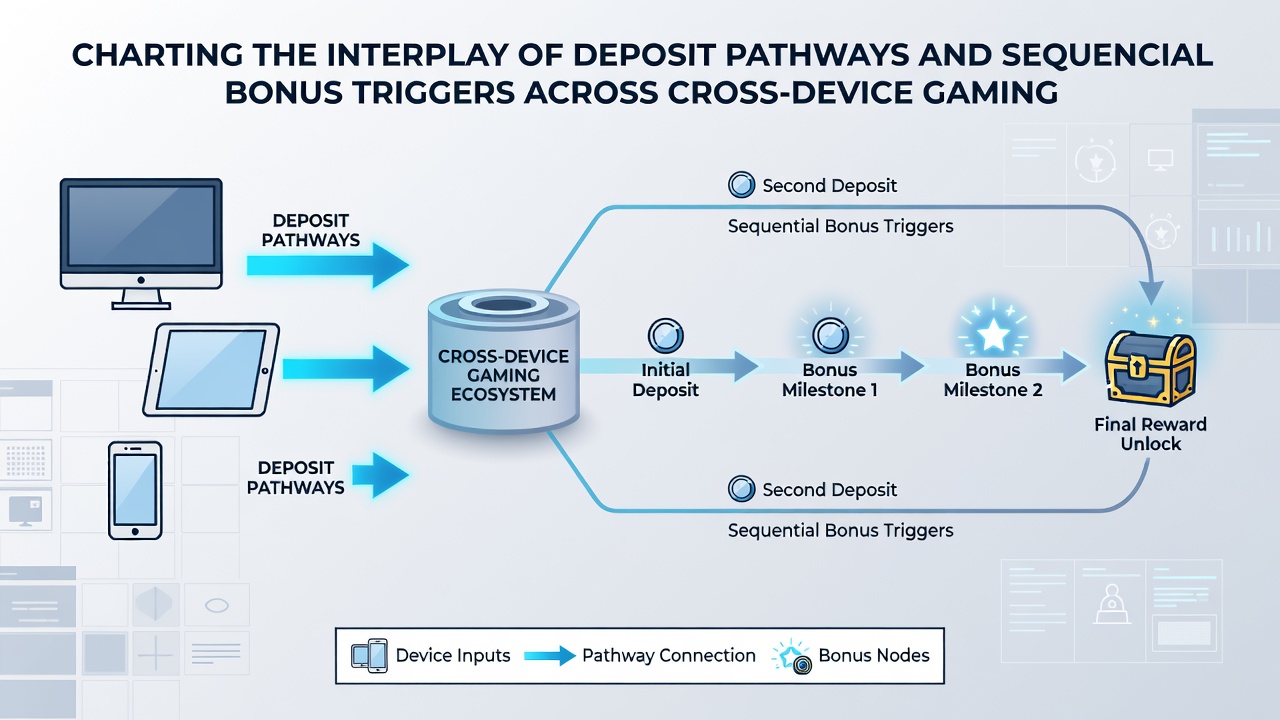
Platform logs examined in mid-2026 reveal that certain sequential structures reset when a session migrates without proper state handoff, which forces users to restart deposit pathways on the new device and lose accumulated progress toward later triggers. Data compiled by network operators demonstrates that seamless handoffs preserve trigger history, allowing a bonus stage begun on a tablet to advance automatically once the user logs in via desktop and meets the next wager requirement.
Cross-Device Synchronization Challenges and Solutions
Device switching introduces latency in trigger recognition because mobile operating systems and desktop browsers handle session cookies and push notifications differently, yet operators who implement cloud-based state machines report higher completion rates for multi-stage bonuses. According to findings published by the Australian Government gaming compliance review, synchronized environments reduce instances where a deposit pathway appears complete on one device but fails to register on another.
Technicians examining these networks emphasize that API endpoints must propagate deposit metadata instantly across all active sessions, and case studies from large operators show that delays exceeding thirty seconds often break the sequential chain, requiring manual intervention or a fresh deposit to reinitiate the sequence. Figures collected during 2026 network audits indicate that platforms employing edge computing for state updates maintain continuity more reliably than those relying solely on centralized servers.
Regulatory and Compliance Overlays on Trigger Logic
Regional rules influence how deposit pathways interact with bonus sequences because licensing authorities require verifiable records of each trigger event, and compliance teams integrate these requirements into the technical architecture. Reports from the Malta Gaming Authority highlight that operators must log device identifiers alongside deposit timestamps to demonstrate that sequential bonuses do not bypass jurisdictional controls when users switch platforms mid-sequence.
Those mapping regulatory impacts note that some jurisdictions impose daily deposit caps that reset per device rather than per account, which can interrupt an ongoing bonus chain if the system does not aggregate activity across all connected devices. Data shared in industry briefings shows that unified compliance modules prevent such fragmentation by treating the entire cross-device network as a single user session for regulatory reporting purposes.
Conclusion
Mapping the relationships between deposit methods and staged bonuses across devices reveals a system where technical architecture, regulatory requirements, and user behavior converge on shared state management, and ongoing platform development in 2026 continues to refine how these elements align. Continued examination of transaction and trigger data will clarify which synchronization approaches best preserve sequential integrity while meeting compliance standards across markets.