Charting Interconnected Incentive Pathways Across Digital Table and Reel Ecosystems
Olivia Washington · Aug 3, 2026
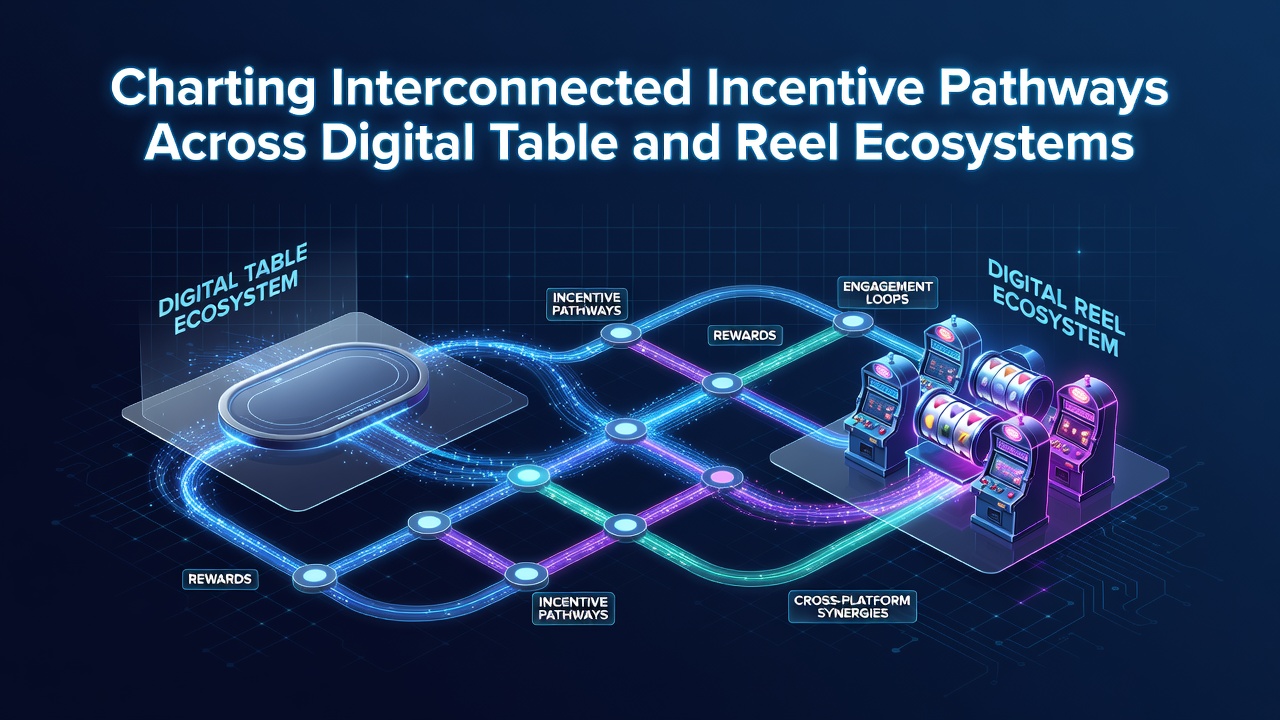
Charting Interconnected Incentive Pathways Across Digital Table and Reel Ecosystems
Digital casino platforms track player activity across slot machines and table games through integrated loyalty systems that convert wagers into points, tier credits, and unlockable rewards. These systems map every spin on a reel title and every hand at a virtual blackjack or roulette table into shared databases that determine bonus eligibility and VIP status progression. Operators rely on this mapping to maintain consistent engagement while complying with regulatory standards set by bodies such as the Nevada Gaming Control Board.
Core Components of Incentive Mapping
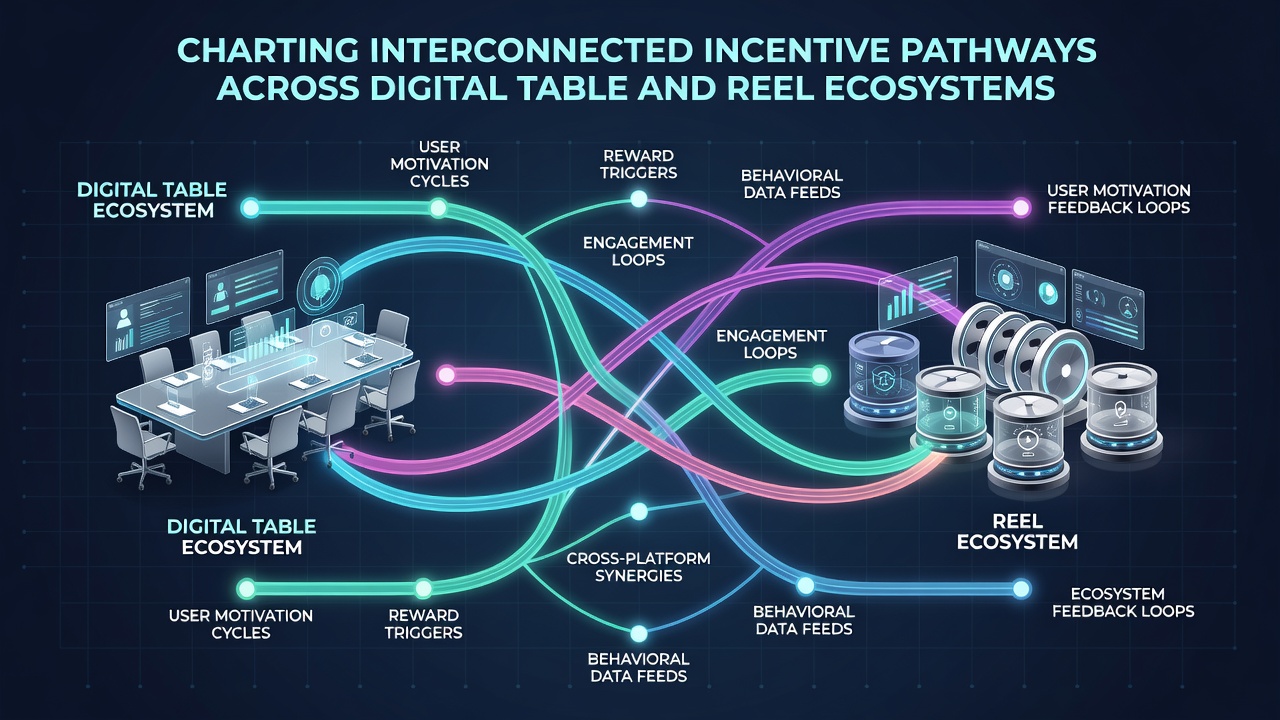
Reel ecosystems generate high-volume micro-transactions that feed directly into point ledgers, whereas table environments contribute larger per-hand wagers that accelerate tier advancement. Platforms connect these streams by assigning multiplier values based on game category so that a player completing daily slot missions can apply earned credits toward table-game entry requirements. Data pipelines record timestamps, wager sizes, and game types, allowing algorithms to predict when a user will qualify for cross-category promotions such as free-to-play table rounds funded by prior reel activity.
Data Flows Between Reel and Table Environments
Real-time APIs push updated player profiles from slot servers to table-game engines within milliseconds, ensuring that a streak of high-volatility spins immediately influences the next available table bonus trigger. Researchers at the Australian Gambling Research Centre have documented how these synchronized ledgers reduce player drop-off by aligning reward cadence across both verticals. Operators adjust incentive weights seasonally, and August 2026 saw several platforms increase table-game multipliers during periods of elevated reel traffic to balance overall platform load.
Points earned on progressive reel titles often carry conversion rates that differ from those attached to automated table variants, yet the underlying ledger remains unified so users view a single balance. This unification supports features such as shared jackpot pools where contributions from both reel bets and table side-bets accumulate toward common prize tiers.
Regulatory and Operational Considerations
Compliance teams review these interconnected pathways to confirm that promotional offers meet jurisdictional standards for fair play disclosure. The Canadian Gaming Association publishes annual summaries showing how operators segment player cohorts according to cross-game activity patterns, enabling targeted retention campaigns without violating advertising rules. Platform developers embed audit logs that trace every point transfer between reel and table modules, creating verifiable records for both internal review and external oversight.
Player Journey Examples
One documented pathway begins with a user completing a reel challenge that awards entry into a scheduled table tournament; accumulated credits then determine seating priority and starting chip stacks. Another sequence routes table-game winnings into reel-specific free spin packages, closing the loop so activity in either environment sustains momentum in the other. These journeys rely on conditional triggers coded into the central player management system, which evaluates thousands of variables including session length, average bet size, adn historical conversion rates.
Conclusion
Mapping these incentive pathways reveals how digital platforms convert disparate game interactions into unified reward trajectories that span reel and table environments. Continued refinement of data connections supports both operational efficiency and regulatory adherence across multiple jurisdictions.