Charting how platform feedback shapes activation sequences for layered incentives in portable interactive systems
Alex Simmons · Jul 22, 2026
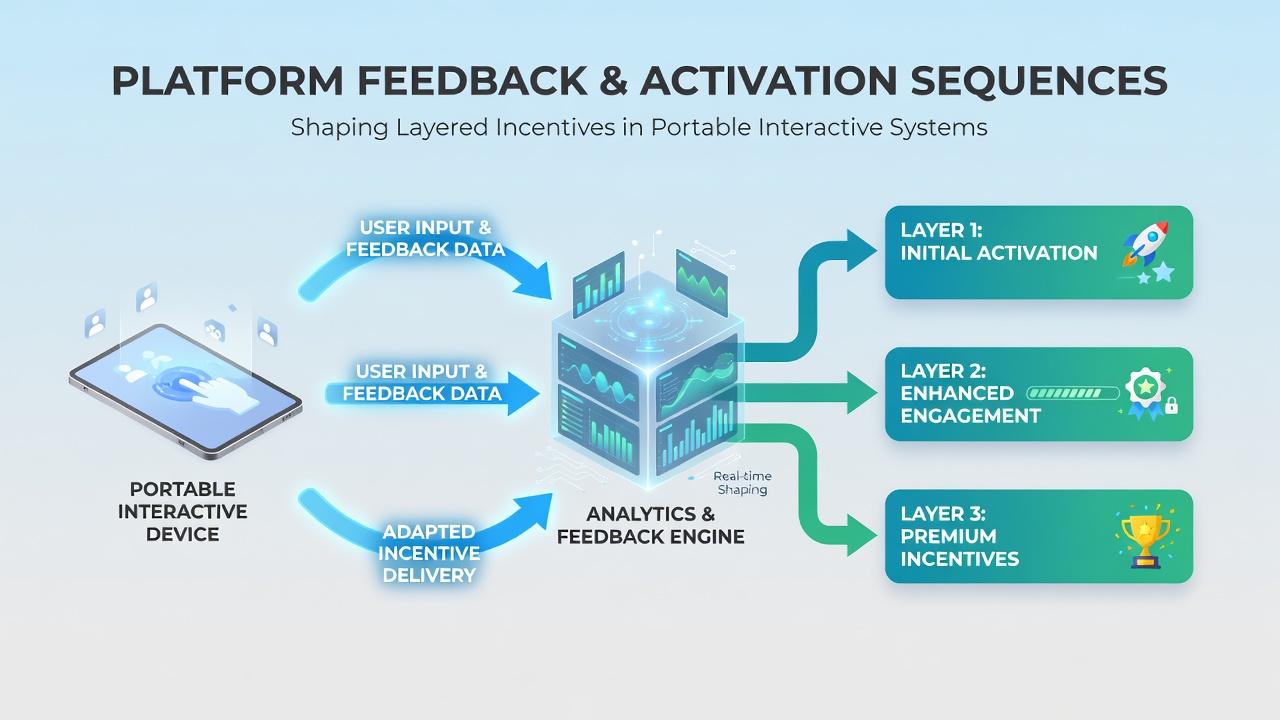
Charting how platform feedback shapes activation sequences for layered incentives in portable interactive systems
Platform feedback operates as a continuous data stream that platforms collect from user interactions, device metrics, and behavioral patterns within portable interactive systems. These systems, ranging from mobile applications to tablet-based environments, rely on this input to determine when and in what order layered incentives activate. Data shows that feedback arrives through multiple channels including session duration, touch patterns, completion rates for tasks, and response times to prompts. Researchers at institutions such as the University of Nevada Reno Gaming Innovation Lab have documented how these signals feed directly into algorithms that reorder incentive tiers. Activation sequences represent the programmed order in which incentives unlock for users. A basic reward might trigger first based on initial engagement metrics, while subsequent layers such as enhanced multipliers or access privileges require additional thresholds. Platform feedback adjusts these sequences in real time, so that a user who demonstrates rapid task completion sees accelerated progression, whereas slower patterns prompt extended introductory incentives. Figures from industry reports indicate that systems employing dynamic sequencing retain higher daily active user counts compared to static models.Feedback Mechanisms in Mobile Environments
Portable devices transmit granular data points that centralized servers process within milliseconds. Touch heatmaps reveal which interface elements draw attention, while accelerometer readings capture movement context during sessions. These elements combine with explicit ratings and implicit dwell times to form composite scores. Observers note that platforms integrate this information into decision trees that evaluate whether to advance, delay, or substitute incentive layers. In July 2026, several major operators reported updates to their feedback ingestion pipelines that reduced latency between data capture and sequence adjustment by 40 percent.
Layered incentives typically stack across categories such as resource multipliers, social recognition badges, and exclusive content gates. Feedback determines priority by matching current user state against historical cohort performance. For instance, when session logs show declining interaction frequency, the system may insert a recovery incentive earlier in the sequence rather than following a fixed progression. Studies conducted by the Canadian Centre for Gaming Research confirm that adaptive ordering based on feedback correlates with extended session lengths across tested applications.Sequence Adjustment Through Continuous Evaluation
Algorithms evaluate incoming feedback against predefined rulesets that account for device type, network conditions, and time-of-day patterns. When feedback indicates high engagement on tutorial content, the platform advances users toward incentive layers that reward continued exploration. Conversely, repeated exits during loading screens trigger fallback sequences that offer simpler entry points. This evaluation occurs without user awareness of the underlying logic, yet it shapes the visible incentive flow.
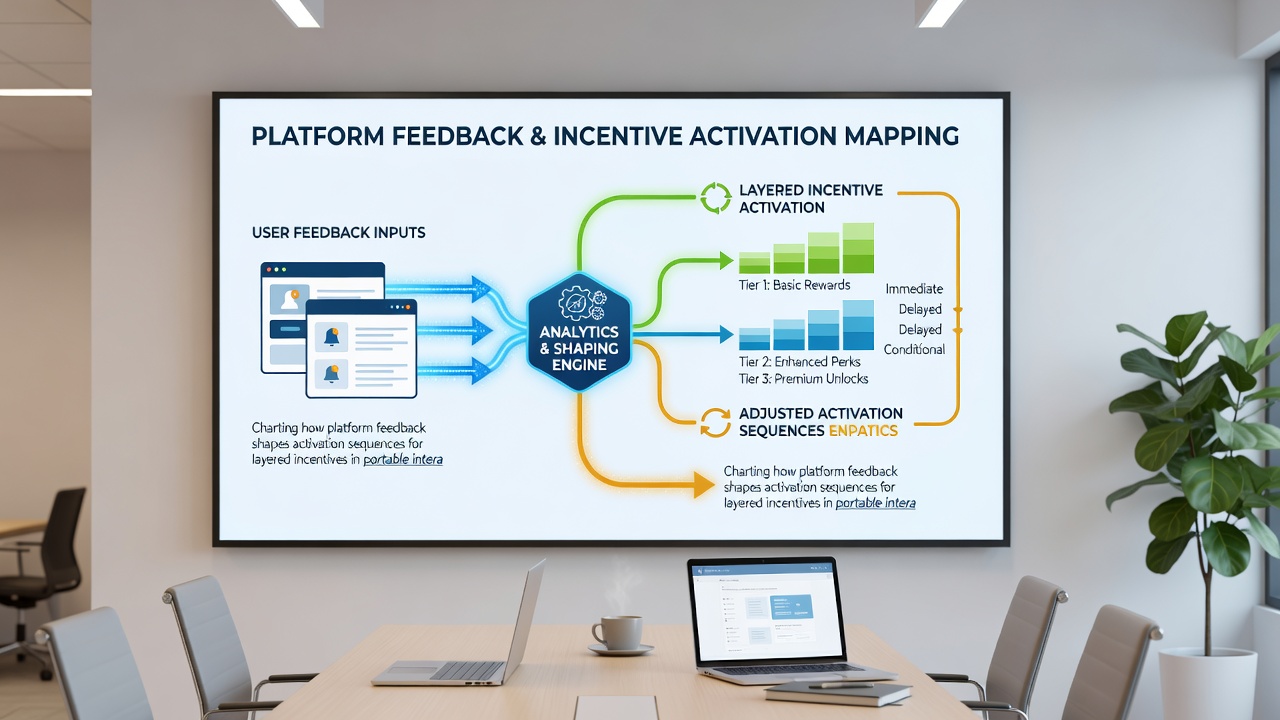 One documented case involved a productivity application where feedback from notification response rates prompted the insertion of micro-rewards before major milestone incentives. The adjustment produced measurable increases in feature adoption according to internal metrics shared with the European Gaming and Amusement Association. Such modifications illustrate how feedback functions as both sensor and controller within the incentive architecture.
Integration With External Data Sources
Platforms augment device-level feedback with aggregated anonymized datasets from regulatory filings and academic repositories. Information from bodies like the Nevada Gaming Control Board provides benchmarks for incentive pacing in regulated markets, while Australian academic papers on human-computer interaction supply models for predicting user response to sequence changes. These external inputs refine internal weighting factors so that activation logic remains aligned with broader usage trends observed across regions.
Engineers implement A/B testing frameworks that isolate feedback variables to measure impact on sequence outcomes. One test group receives sequences adjusted solely by real-time metrics, while another follows predetermined orders. Results from these controlled comparisons feed back into the system, creating iterative improvements to the weighting algorithms. Data released in mid-2026 showed convergence toward feedback-dominant models across multiple portable platforms.
Conclusion
Platform feedback continues to serve as the primary driver for reordering activation sequences in systems that deliver layered incentives through portable interfaces. The integration of device signals, behavioral metrics, and external benchmarks produces responsive architectures that adapt incentive delivery to observed patterns. As portable interactive systems expand their data collection capabilities, the precision of these adjustments increases accordingly, supporting sustained user progression through incentive layers without reliance on fixed pathways.